The Riverway

Commute. Bridge. Run.

Lush and meandering, the Riverway's forested paths and beautiful stone bridges wind past internationally known medical, cultural, and educational institutions.

Of all the Emerald Necklace parks, The Riverway is the one most developed by human hands—though you'd never be able to tell. This was intentional: the landscape was built around the Muddy River and shaped by architect Frederick Law Olmsted to appear as though it had always been there—a natural green space, instead of a man-made one. This "designed landscape" is enhanced by more than 100,000 plantings, a curving network of pathways, and thoughtfully sculpted shorelines. Stretching just over a mile long, the Riverway is home to a rich assemblage of original bridges and structures that are among the most beautiful in the Emerald Necklace. These include the Longwood Avenue and Chapel Street bridges, which are clad in a warm, honey-colored granite. It also contains the historic Bridle Path, once used by equestrians, as well as the Round House—a rustic stone shelter—near the Chapel Street Bridge.

  • The Chapel Street Bridge crossing over the Bridle Path

    Credits:

    Will Serber

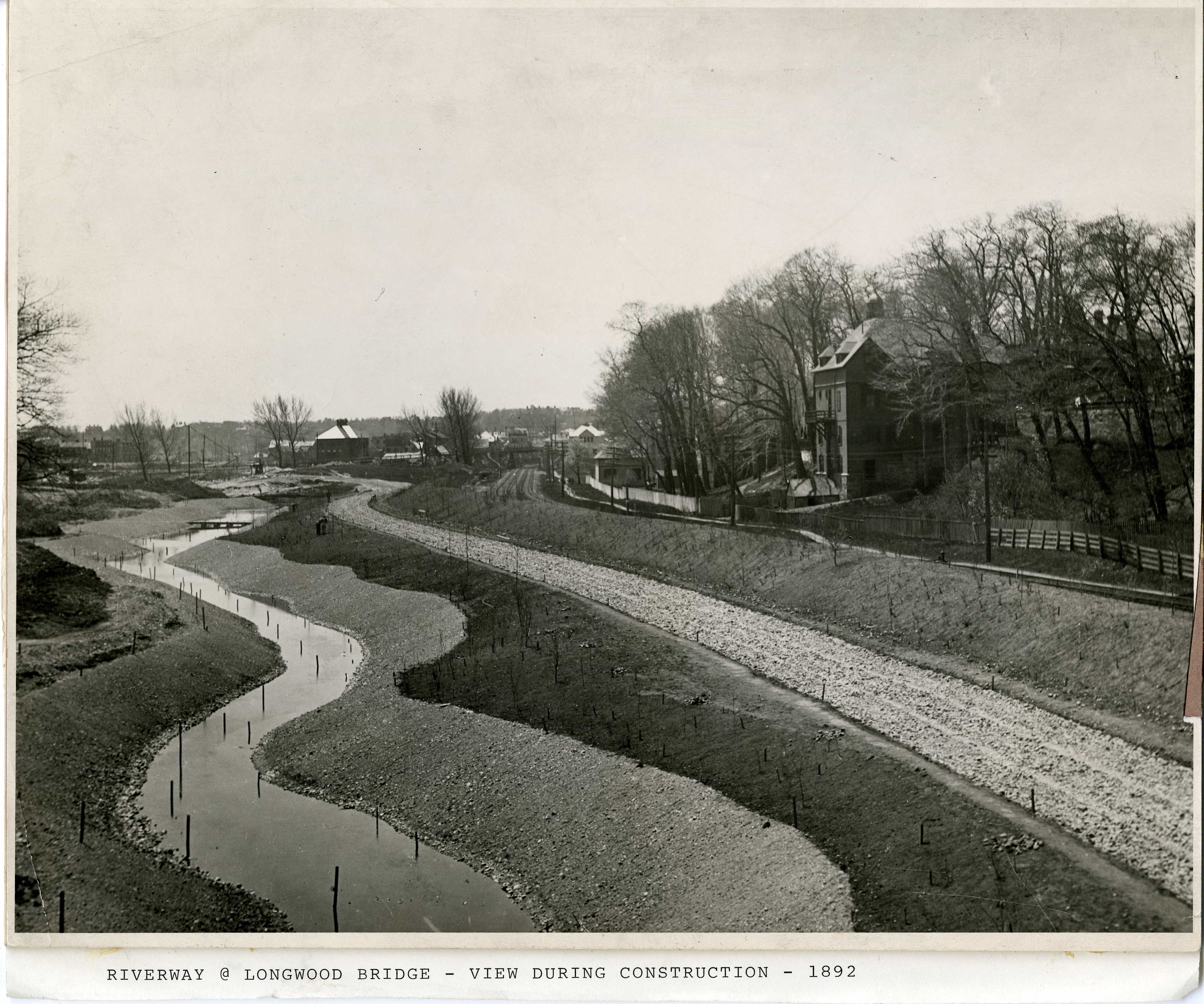
  • The Riverway under construction in 1892

    Credits:

    Courtesy of the National Park Service, Frederick Law Olmsted National Historic Site

  • The Riverway's paths are perfect for cycling, walking, or jogging

    Credits:

    Will Serber

  • The Longwood Avenue Bridge in early spring

    Credits:

    Evan Bradley

  • The Round House and Chapel Street Bridge

    Credits:

    Will Serber

  • The Riverway and the Muddy River in winter

    Credits:

    Evan Bradley

  • The Chapel Street Bridge crossing over the Bridle Path

    Credits:

    Will Serber

  • The Riverway under construction in 1892

    Credits:

    Courtesy of the National Park Service, Frederick Law Olmsted National Historic Site

  • The Riverway's paths are perfect for cycling, walking, or jogging

    Credits:

    Will Serber

  • The Longwood Avenue Bridge in early spring

    Credits:

    Evan Bradley

  • The Round House and Chapel Street Bridge

    Credits:

    Will Serber

  • The Riverway and the Muddy River in winter

    Credits:

    Evan Bradley

History

The Riverway was continually developed through the late 1870s and 1880s, alongside the Back Bay Fens, as part of Frederick Law Olmsted's "Muddy River Improvement" project. Like the Back Bay Fens, the Riverway was crafted to treat the polluted waters of the Muddy River and to mitigate the impacts of future flooding. In his writing, Olmsted described the park as “passages of rushy meadow and varied slopes from the upland; trees in groups, diversified by thickets and open glades.” While the Riverway is dominated more by trees in the modern era, occasional clearings provide places to sit, picnic, and people-watch throughout the park. The park was completed in 1895. The park received a major renovation in the early 2020s through Phase 2 of the Muddy River Restoration Project, which dredged portions of the Muddy River and removed dense strands of invasive plant species from the river's edge and the park's margins.

  • The Chapel Street Bridge crossing over the Bridle Path

    Credits:

    Will Serber

  • The Riverway under construction in 1892

    Credits:

    Courtesy of the National Park Service, Frederick Law Olmsted National Historic Site

  • The Riverway's paths are perfect for cycling, walking, or jogging

    Credits:

    Will Serber

  • The Longwood Avenue Bridge in early spring

    Credits:

    Evan Bradley

History

The Riverway was continually developed through the late 1870s and 1880s, alongside the Back Bay Fens, as part of Frederick Law Olmsted's "Muddy River Improvement" project. Like the Back Bay Fens, the Riverway was crafted to treat the polluted waters of the Muddy River and to mitigate the impacts of future flooding. In his writing, Olmsted described the park as “passages of rushy meadow and varied slopes from the upland; trees in groups, diversified by thickets and open glades.” While the Riverway is dominated more by trees in the modern era, occasional clearings provide places to sit, picnic, and people-watch throughout the park. The park was completed in 1895. The park received a major renovation in the early 2020s through Phase 2 of the Muddy River Restoration Project, which dredged portions of the Muddy River and removed dense strands of invasive plant species from the river's edge and the park's margins.

Things to do

The Riverway links Boston and Brookline's residential neighborhoods to cultural and commercial centers with secluded greenspace. Make it a part of your commute—or a gentle walk in nature. Listen for the rustle of leaves, picnic on a wooded shoreline, or explore historic bridges.

The Riverway under construction, 1892
Courtesy of the National Park Service, Frederick Law Olmsted National Historic Site
The Riverway after 30 years of growth, 1920
Courtesy of the National Park Service, Frederick Law Olmsted National Historic Site
Did you know?

The Riverway's stretch of the Muddy River is part of the historic boundary between Boston and Brookline. When Olmsted's design for the Emerald Necklace proposed changing the river's course, both municipalities agreed to adjust their borders to the river's new shape.

Follow the

Emerald Necklace

Necklace

Follow the

Emerald

Necklace

Land & water
ACKNOWLEDGEMENT

The world didn't start with Olmsted. For millennia before and in the centuries since Frederick Law Olmsted designed the Emerald Necklace park system for a rapidly industrializing city and metropolitan area, the lands and waters of and around Greater Boston have served as a site of exchange among communities including the Massachusett, Pawtucket, Wampanoag and Nipmuc peoples. The Emerald Necklace Conservancy acknowledges the Greater Boston region as their unceded ancestral territories. This acknowledgement is a starting point toward right relations with Indigenous neighbors and their understandings of land stewardship.

The parks belong to the people. ‎ ‎ ‎ ‎‎ ‎ ‎ ‎ ‎ The parks belong to the people. ‎ ‎ ‎ ‎‎ ‎ ‎ ‎ ‎ The parks belong to the people. ‎ ‎ ‎ ‎‎ ‎ ‎ ‎ ‎ The parks belong to the people. ‎ ‎ ‎ ‎‎ ‎ ‎ ‎ ‎ The parks belong to the people. ‎ ‎ ‎ ‎‎ ‎ ‎ ‎ ‎ The parks belong to the people. ‎ ‎ ‎ ‎‎ ‎ ‎ ‎ ‎ The parks belong to the people. ‎ ‎ ‎ ‎‎ ‎ ‎ ‎ ‎ The parks belong to the people. ‎ ‎ ‎ ‎‎ ‎ ‎ ‎ ‎ The parks belong to the people. ‎ ‎ ‎ ‎‎ ‎ ‎ ‎ ‎ The parks belong to the people. ‎ ‎ ‎ ‎‎ ‎ ‎ ‎ ‎ The parks belong to the people. ‎ ‎ ‎ ‎‎ ‎ ‎ ‎ ‎ The parks belong to the people. ‎ ‎ ‎ ‎‎ ‎ ‎ ‎ ‎ The parks belong to the people. ‎ ‎ ‎ ‎‎ ‎ ‎ ‎ ‎ The parks belong to the people. ‎ ‎ ‎ ‎‎ ‎ ‎ ‎ ‎ The parks belong to the people. ‎ ‎ ‎ ‎‎ ‎ ‎ ‎ ‎ The parks belong to the people. ‎ ‎ ‎ ‎‎ ‎ ‎ ‎ ‎ The parks belong to the people. ‎ ‎ ‎ ‎‎ ‎ ‎ ‎ ‎ The parks belong to the people. ‎ ‎ ‎ ‎‎ ‎ ‎ ‎ ‎ The parks belong to the people. ‎ ‎ ‎ ‎‎ ‎ ‎ ‎ ‎ The parks belong to the people. ‎ ‎ ‎ ‎‎ ‎ ‎ ‎ ‎ The parks belong to the people. ‎ ‎ ‎ ‎‎ ‎ ‎ ‎ ‎ The parks belong to the people. ‎ ‎ ‎ ‎‎ ‎ ‎ ‎ ‎ The parks belong to the people. ‎ ‎ ‎ ‎‎ ‎ ‎ ‎ ‎ The parks belong to the people. ‎ ‎ ‎ ‎‎ ‎ ‎ ‎ ‎ The parks belong to the people. ‎ ‎ ‎ ‎‎ ‎ ‎ ‎ ‎ The parks belong to the people. ‎ ‎ ‎ ‎‎ ‎ ‎ ‎ ‎ The parks belong to the people. ‎ ‎ ‎ ‎‎ ‎ ‎ ‎ ‎ The parks belong to the people. ‎ ‎ ‎ ‎‎ ‎ ‎ ‎ ‎ The parks belong to the people. ‎ ‎ ‎ ‎‎ ‎ ‎ ‎ ‎ The parks belong to the people. ‎ ‎ ‎ ‎‎ ‎ ‎ ‎ ‎ The parks belong to the people. ‎ ‎ ‎ ‎‎ ‎ ‎ ‎ ‎ The parks belong to the people. ‎ ‎ ‎ ‎‎ ‎ ‎ ‎ ‎ The parks belong to the people. ‎ ‎ ‎ ‎‎ ‎ ‎ ‎ ‎ The parks belong to the people. ‎ ‎ ‎ ‎‎ ‎ ‎ ‎ ‎ The parks belong to the people. ‎ ‎ ‎ ‎‎ ‎ ‎ ‎ ‎ The parks belong to the people. ‎ ‎ ‎ ‎‎ ‎ ‎ ‎ ‎ The parks belong to the people. ‎ ‎ ‎ ‎‎ ‎ ‎ ‎ ‎ The parks belong to the people. ‎ ‎ ‎ ‎‎ ‎ ‎ ‎ ‎ The parks belong to the people. ‎ ‎ ‎ ‎‎ ‎ ‎ ‎ ‎ The parks belong to the people. ‎ ‎ ‎ ‎‎ ‎ ‎ ‎ ‎ The parks belong to the people. ‎ ‎ ‎ ‎‎ ‎ ‎ ‎ ‎ The parks belong to the people. ‎ ‎ ‎ ‎‎ ‎ ‎ ‎ ‎ The parks belong to the people. ‎ ‎ ‎ ‎‎ ‎ ‎ ‎ ‎ The parks belong to the people. ‎ ‎ ‎ ‎‎ ‎ ‎ ‎ ‎ The parks belong to the people. ‎ ‎ ‎ ‎‎ ‎ ‎ ‎ ‎ The parks belong to the people. ‎ ‎ ‎ ‎‎ ‎ ‎ ‎ ‎ The parks belong to the people. ‎ ‎ ‎ ‎‎ ‎ ‎ ‎ ‎ The parks belong to the people. ‎ ‎ ‎ ‎‎ ‎ ‎ ‎ ‎ The parks belong to the people. ‎ ‎ ‎ ‎‎ ‎ ‎ ‎ ‎ The parks belong to the people. ‎ ‎ ‎ ‎‎ ‎ ‎ ‎ ‎

Subscribe for Necklace news, community events, and to enliven the parks.

Shattuck Visitor Center

Year-Round

Mon-Fri 9:30am – 5pm

May-October

Sat-Sun 10am – 4pm

Mailing address

+1 (617) 522–2700

The Emerald Necklace Conservancy is a not-for-profit organization and is tax-exempt under Section 501(c)(3) of the Internal Revenue Code. Our federal Employer Identification Number (EIN) is 04-3414988.

Land & water
ACKNOWLEDGEMENT

The world didn't start with Olmsted. For millennia before and in the centuries since Frederick Law Olmsted designed the Emerald Necklace park system for a rapidly industrializing city and metropolitan area, the lands and waters of and around Greater Boston have served as a site of exchange among communities including the Massachusett, Pawtucket, Wampanoag and Nipmuc peoples. The Emerald Necklace Conservancy acknowledges the Greater Boston region as their unceded ancestral territories. This acknowledgement is a starting point toward right relations with Indigenous neighbors and their understandings of land stewardship.

The parks belong to the people. ‎ ‎ ‎ ‎‎ ‎ ‎ ‎ ‎ The parks belong to the people. ‎ ‎ ‎ ‎‎ ‎ ‎ ‎ ‎ The parks belong to the people. ‎ ‎ ‎ ‎‎ ‎ ‎ ‎ ‎ The parks belong to the people. ‎ ‎ ‎ ‎‎ ‎ ‎ ‎ ‎ The parks belong to the people. ‎ ‎ ‎ ‎‎ ‎ ‎ ‎ ‎ The parks belong to the people. ‎ ‎ ‎ ‎‎ ‎ ‎ ‎ ‎ The parks belong to the people. ‎ ‎ ‎ ‎‎ ‎ ‎ ‎ ‎ The parks belong to the people. ‎ ‎ ‎ ‎‎ ‎ ‎ ‎ ‎ The parks belong to the people. ‎ ‎ ‎ ‎‎ ‎ ‎ ‎ ‎ The parks belong to the people. ‎ ‎ ‎ ‎‎ ‎ ‎ ‎ ‎ The parks belong to the people. ‎ ‎ ‎ ‎‎ ‎ ‎ ‎ ‎ The parks belong to the people. ‎ ‎ ‎ ‎‎ ‎ ‎ ‎ ‎ The parks belong to the people. ‎ ‎ ‎ ‎‎ ‎ ‎ ‎ ‎ The parks belong to the people. ‎ ‎ ‎ ‎‎ ‎ ‎ ‎ ‎ The parks belong to the people. ‎ ‎ ‎ ‎‎ ‎ ‎ ‎ ‎ The parks belong to the people. ‎ ‎ ‎ ‎‎ ‎ ‎ ‎ ‎ The parks belong to the people. ‎ ‎ ‎ ‎‎ ‎ ‎ ‎ ‎ The parks belong to the people. ‎ ‎ ‎ ‎‎ ‎ ‎ ‎ ‎ The parks belong to the people. ‎ ‎ ‎ ‎‎ ‎ ‎ ‎ ‎ The parks belong to the people. ‎ ‎ ‎ ‎‎ ‎ ‎ ‎ ‎ The parks belong to the people. ‎ ‎ ‎ ‎‎ ‎ ‎ ‎ ‎ The parks belong to the people. ‎ ‎ ‎ ‎‎ ‎ ‎ ‎ ‎ The parks belong to the people. ‎ ‎ ‎ ‎‎ ‎ ‎ ‎ ‎ The parks belong to the people. ‎ ‎ ‎ ‎‎ ‎ ‎ ‎ ‎ The parks belong to the people. ‎ ‎ ‎ ‎‎ ‎ ‎ ‎ ‎ The parks belong to the people. ‎ ‎ ‎ ‎‎ ‎ ‎ ‎ ‎ The parks belong to the people. ‎ ‎ ‎ ‎‎ ‎ ‎ ‎ ‎ The parks belong to the people. ‎ ‎ ‎ ‎‎ ‎ ‎ ‎ ‎ The parks belong to the people. ‎ ‎ ‎ ‎‎ ‎ ‎ ‎ ‎ The parks belong to the people. ‎ ‎ ‎ ‎‎ ‎ ‎ ‎ ‎ The parks belong to the people. ‎ ‎ ‎ ‎‎ ‎ ‎ ‎ ‎ The parks belong to the people. ‎ ‎ ‎ ‎‎ ‎ ‎ ‎ ‎ The parks belong to the people. ‎ ‎ ‎ ‎‎ ‎ ‎ ‎ ‎ The parks belong to the people. ‎ ‎ ‎ ‎‎ ‎ ‎ ‎ ‎ The parks belong to the people. ‎ ‎ ‎ ‎‎ ‎ ‎ ‎ ‎ The parks belong to the people. ‎ ‎ ‎ ‎‎ ‎ ‎ ‎ ‎ The parks belong to the people. ‎ ‎ ‎ ‎‎ ‎ ‎ ‎ ‎ The parks belong to the people. ‎ ‎ ‎ ‎‎ ‎ ‎ ‎ ‎ The parks belong to the people. ‎ ‎ ‎ ‎‎ ‎ ‎ ‎ ‎ The parks belong to the people. ‎ ‎ ‎ ‎‎ ‎ ‎ ‎ ‎ The parks belong to the people. ‎ ‎ ‎ ‎‎ ‎ ‎ ‎ ‎ The parks belong to the people. ‎ ‎ ‎ ‎‎ ‎ ‎ ‎ ‎ The parks belong to the people. ‎ ‎ ‎ ‎‎ ‎ ‎ ‎ ‎ The parks belong to the people. ‎ ‎ ‎ ‎‎ ‎ ‎ ‎ ‎ The parks belong to the people. ‎ ‎ ‎ ‎‎ ‎ ‎ ‎ ‎ The parks belong to the people. ‎ ‎ ‎ ‎‎ ‎ ‎ ‎ ‎ The parks belong to the people. ‎ ‎ ‎ ‎‎ ‎ ‎ ‎ ‎ The parks belong to the people. ‎ ‎ ‎ ‎‎ ‎ ‎ ‎ ‎ The parks belong to the people. ‎ ‎ ‎ ‎‎ ‎ ‎ ‎ ‎ The parks belong to the people. ‎ ‎ ‎ ‎‎ ‎ ‎ ‎ ‎

Subscribe for Necklace news, community events, and to enliven the parks.

Shattuck Visitor Center

Year-Round

Mon-Fri 9:30am – 5pm

May-October

Sat-Sun 10am – 4pm

Mailing address

+1 (617) 522–2700

The Emerald Necklace Conservancy is a not-for-profit organization and is tax-exempt under Section 501(c)(3) of the Internal Revenue Code. Our federal Employer Identification Number (EIN) is 04-3414988.

Land & water
ACKNOWLEDGEMENT

The world didn't start with Olmsted. For millennia before and in the centuries since Frederick Law Olmsted designed the Emerald Necklace park system for a rapidly industrializing city and metropolitan area, the lands and waters of and around Greater Boston have served as a site of exchange among communities including the Massachusett, Pawtucket, Wampanoag and Nipmuc peoples. The Emerald Necklace Conservancy acknowledges the Greater Boston region as their unceded ancestral territories. This acknowledgement is a starting point toward right relations with Indigenous neighbors and their understandings of land stewardship.

The parks belong to the people. ‎ ‎ ‎ ‎‎ ‎ ‎ ‎ ‎ The parks belong to the people. ‎ ‎ ‎ ‎‎ ‎ ‎ ‎ ‎ The parks belong to the people. ‎ ‎ ‎ ‎‎ ‎ ‎ ‎ ‎ The parks belong to the people. ‎ ‎ ‎ ‎‎ ‎ ‎ ‎ ‎ The parks belong to the people. ‎ ‎ ‎ ‎‎ ‎ ‎ ‎ ‎ The parks belong to the people. ‎ ‎ ‎ ‎‎ ‎ ‎ ‎ ‎ The parks belong to the people. ‎ ‎ ‎ ‎‎ ‎ ‎ ‎ ‎ The parks belong to the people. ‎ ‎ ‎ ‎‎ ‎ ‎ ‎ ‎ The parks belong to the people. ‎ ‎ ‎ ‎‎ ‎ ‎ ‎ ‎ The parks belong to the people. ‎ ‎ ‎ ‎‎ ‎ ‎ ‎ ‎ The parks belong to the people. ‎ ‎ ‎ ‎‎ ‎ ‎ ‎ ‎ The parks belong to the people. ‎ ‎ ‎ ‎‎ ‎ ‎ ‎ ‎ The parks belong to the people. ‎ ‎ ‎ ‎‎ ‎ ‎ ‎ ‎ The parks belong to the people. ‎ ‎ ‎ ‎‎ ‎ ‎ ‎ ‎ The parks belong to the people. ‎ ‎ ‎ ‎‎ ‎ ‎ ‎ ‎ The parks belong to the people. ‎ ‎ ‎ ‎‎ ‎ ‎ ‎ ‎ The parks belong to the people. ‎ ‎ ‎ ‎‎ ‎ ‎ ‎ ‎ The parks belong to the people. ‎ ‎ ‎ ‎‎ ‎ ‎ ‎ ‎ The parks belong to the people. ‎ ‎ ‎ ‎‎ ‎ ‎ ‎ ‎ The parks belong to the people. ‎ ‎ ‎ ‎‎ ‎ ‎ ‎ ‎ The parks belong to the people. ‎ ‎ ‎ ‎‎ ‎ ‎ ‎ ‎ The parks belong to the people. ‎ ‎ ‎ ‎‎ ‎ ‎ ‎ ‎ The parks belong to the people. ‎ ‎ ‎ ‎‎ ‎ ‎ ‎ ‎ The parks belong to the people. ‎ ‎ ‎ ‎‎ ‎ ‎ ‎ ‎ The parks belong to the people. ‎ ‎ ‎ ‎‎ ‎ ‎ ‎ ‎ The parks belong to the people. ‎ ‎ ‎ ‎‎ ‎ ‎ ‎ ‎ The parks belong to the people. ‎ ‎ ‎ ‎‎ ‎ ‎ ‎ ‎ The parks belong to the people. ‎ ‎ ‎ ‎‎ ‎ ‎ ‎ ‎ The parks belong to the people. ‎ ‎ ‎ ‎‎ ‎ ‎ ‎ ‎ The parks belong to the people. ‎ ‎ ‎ ‎‎ ‎ ‎ ‎ ‎ The parks belong to the people. ‎ ‎ ‎ ‎‎ ‎ ‎ ‎ ‎ The parks belong to the people. ‎ ‎ ‎ ‎‎ ‎ ‎ ‎ ‎ The parks belong to the people. ‎ ‎ ‎ ‎‎ ‎ ‎ ‎ ‎ The parks belong to the people. ‎ ‎ ‎ ‎‎ ‎ ‎ ‎ ‎ The parks belong to the people. ‎ ‎ ‎ ‎‎ ‎ ‎ ‎ ‎ The parks belong to the people. ‎ ‎ ‎ ‎‎ ‎ ‎ ‎ ‎ The parks belong to the people. ‎ ‎ ‎ ‎‎ ‎ ‎ ‎ ‎ The parks belong to the people. ‎ ‎ ‎ ‎‎ ‎ ‎ ‎ ‎ The parks belong to the people. ‎ ‎ ‎ ‎‎ ‎ ‎ ‎ ‎ The parks belong to the people. ‎ ‎ ‎ ‎‎ ‎ ‎ ‎ ‎ The parks belong to the people. ‎ ‎ ‎ ‎‎ ‎ ‎ ‎ ‎ The parks belong to the people. ‎ ‎ ‎ ‎‎ ‎ ‎ ‎ ‎ The parks belong to the people. ‎ ‎ ‎ ‎‎ ‎ ‎ ‎ ‎ The parks belong to the people. ‎ ‎ ‎ ‎‎ ‎ ‎ ‎ ‎ The parks belong to the people. ‎ ‎ ‎ ‎‎ ‎ ‎ ‎ ‎ The parks belong to the people. ‎ ‎ ‎ ‎‎ ‎ ‎ ‎ ‎ The parks belong to the people. ‎ ‎ ‎ ‎‎ ‎ ‎ ‎ ‎ The parks belong to the people. ‎ ‎ ‎ ‎‎ ‎ ‎ ‎ ‎ The parks belong to the people. ‎ ‎ ‎ ‎‎ ‎ ‎ ‎ ‎ The parks belong to the people. ‎ ‎ ‎ ‎‎ ‎ ‎ ‎ ‎

Subscribe for Necklace news, community events, and to enliven the parks.

Shattuck Visitor Center

Year-Round

Mon-Fri 9:30am – 5pm

May-October

Sat-Sun 10am – 4pm

Mailing address

+1 (617) 522–2700

The Emerald Necklace Conservancy is a not-for-profit organization and is tax-exempt under Section 501(c)(3) of the Internal Revenue Code. Our federal Employer Identification Number (EIN) is 04-3414988.