Olmsted Park

Birdwatch. Learn. Reflect.

Experience the variety of Olmsted Park, where sweeping vistas of fields and wide-open water views contrast with a bucolic babbling brook, dense woodlands, and secluded ponds.

Designed as “a chain of picturesque fresh-water ponds, alternating with attractive natural groves and meads," Olmsted Park packs a diverse array of landscapes and historic amenities into 64 acres, divided between Boston and neighboring Brookline. The park includes four major bodies of water—from largest to smallest, Leverett, Wards, Willow, and Spring Ponds—alongside the Necklace's deepest woodlands, buzzing meadows, and the head of the Muddy River, which is referred to as the "Babbling Brook" in this portion of the Emerald Necklace. Olmsted's design preferences shine in this namesake park. Curving pathways, low-profile bridges, and diverse plantings frame a series of vignettes and scene changes along the way. To help draw wildlife, Olmsted built three islands in Leverett Pond to provide shelter and seclusion for nesting birds. Other amenities, including a trail network, baseball fields, and a scenic overlook, provide opportunities for active and passive recreation parkwide.

  • Students gather in Olmsted Park for the Conservancy's Canopy Classroom program

    Credits:

    Emerald Necklace Conservancy

  • Leverett Pond at dusk

    Credits:

    Evan Bradley

  • Youth baseball players at Daisy Field

    Credits:

    Will Serber

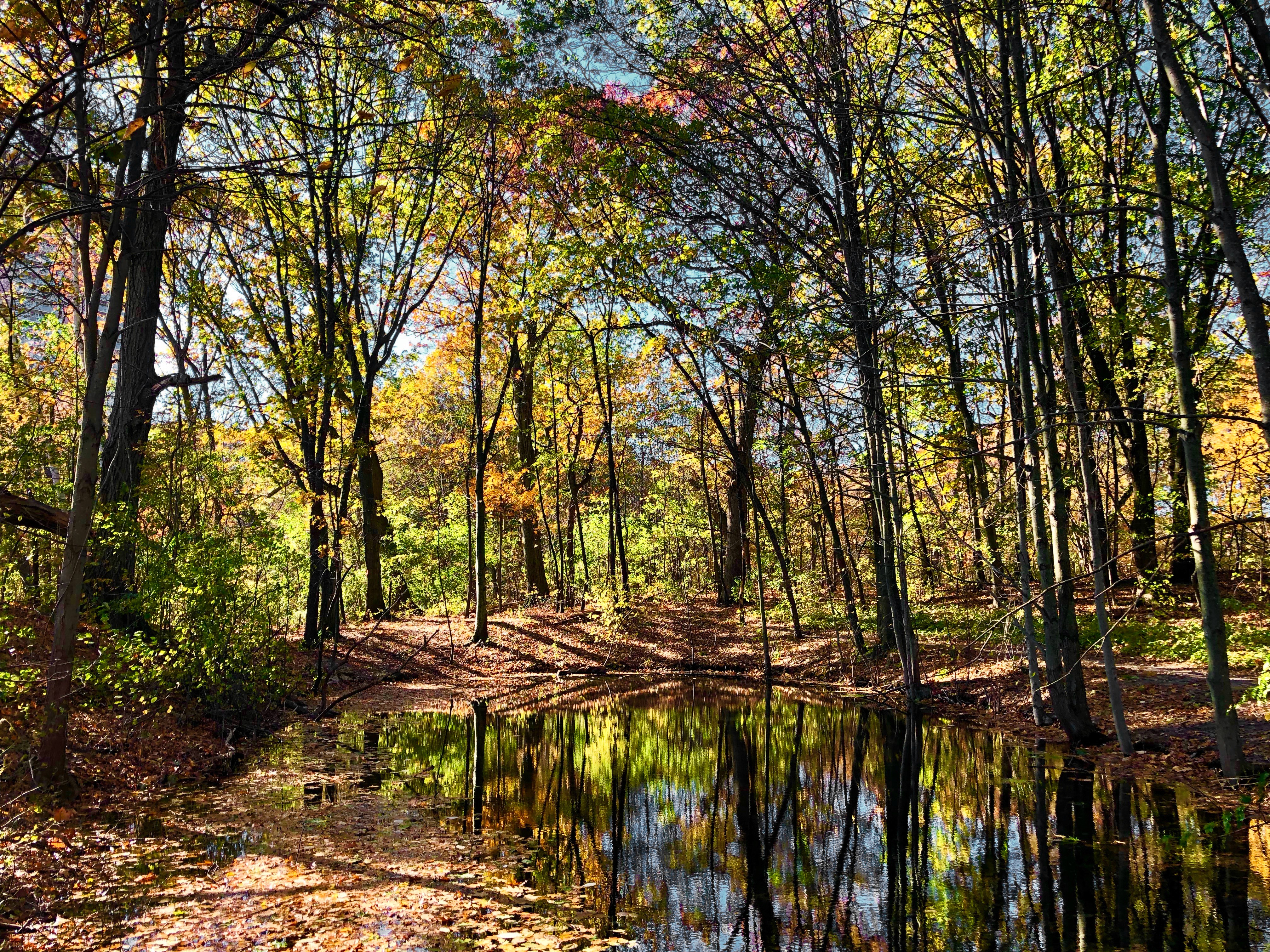
  • Spring Pond in autumn

    Credits:

    Evan Bradley

  • The outlet of the Muddy River at Wards Pond

    Credits:

    Evan BRadley

  • Students gather in Olmsted Park for the Conservancy's Canopy Classroom program

    Credits:

    Emerald Necklace Conservancy

  • Leverett Pond at dusk

    Credits:

    Evan Bradley

  • Youth baseball players at Daisy Field

    Credits:

    Will Serber

  • Spring Pond in autumn

    Credits:

    Evan Bradley

  • The outlet of the Muddy River at Wards Pond

    Credits:

    Evan BRadley

History

Like the Back Bay Fens and Riverway upstream, Olmsted Park was developed as part of Olmsted's 1878 Muddy River Improvement project. Here, Olmsted dredged the Muddy River into a confined stream and converted a large swamp into Leverett Pond. The highlands in the park's southern portion, including Nickerson Hill, were densely planted with trees and understory plants, and several small ponds were excavated or expanded. The landscape, originally named Leverett Park, was established in 1891 and renamed in honor of Olmsted in 1900. The park has seen several substantial changes and improvements in the following century, including the closure and replacement of the Riverdale Parkway on the park's western edge with pedestrian and cycling paths in 1998 and the restoration of the "Babbling Brook" stretch of the Muddy River in 2006. Today, people are drawn to the athletic fields, the wildflower meadow, and Allerton Overlook—home to annual concerts, festivals, and other programs.

  • Students gather in Olmsted Park for the Conservancy's Canopy Classroom program

    Credits:

    Emerald Necklace Conservancy

  • Leverett Pond at dusk

    Credits:

    Evan Bradley

  • Youth baseball players at Daisy Field

    Credits:

    Will Serber

  • Spring Pond in autumn

    Credits:

    Evan Bradley

History

Like the Back Bay Fens and Riverway upstream, Olmsted Park was developed as part of Olmsted's 1878 Muddy River Improvement project. Here, Olmsted dredged the Muddy River into a confined stream and converted a large swamp into Leverett Pond. The highlands in the park's southern portion, including Nickerson Hill, were densely planted with trees and understory plants, and several small ponds were excavated or expanded. The landscape, originally named Leverett Park, was established in 1891 and renamed in honor of Olmsted in 1900. The park has seen several substantial changes and improvements in the following century, including the closure and replacement of the Riverdale Parkway on the park's western edge with pedestrian and cycling paths in 1998 and the restoration of the "Babbling Brook" stretch of the Muddy River in 2006. Today, people are drawn to the athletic fields, the wildflower meadow, and Allerton Overlook—home to annual concerts, festivals, and other programs.

Things to do

Leverett Pond's shoreline hosts many waterfowl species, including swans and black-crowned night herons, making it the region's premier birdwatching space. Take a pondside jog, or stumble across a hidden forest path.

Colorized postcard of Wards Pond, 1913
Courtesy of the Boston Public Library; Photographer Leon Abdalian
Heavily forested Wards Pond, 2026
Evan Bradley
Did you know?

Olmsted's initial designs for the park included about a dozen "Natural History Pools," which were intended to house freshwater creatures for public viewing—including a hippopotamus! The cost of maintaining the pools and challenging negotiations with the City of Boston scuttled the plans, and most of the pools were filled in.

Follow the

Emerald Necklace

Necklace

Follow the

Emerald

Necklace

Land & water
ACKNOWLEDGEMENT

The world didn't start with Olmsted. For millennia before and in the centuries since Frederick Law Olmsted designed the Emerald Necklace park system for a rapidly industrializing city and metropolitan area, the lands and waters of and around Greater Boston have served as a site of exchange among communities including the Massachusett, Pawtucket, Wampanoag and Nipmuc peoples. The Emerald Necklace Conservancy acknowledges the Greater Boston region as their unceded ancestral territories. This acknowledgement is a starting point toward right relations with Indigenous neighbors and their understandings of land stewardship.

The parks belong to the people. ‎ ‎ ‎ ‎‎ ‎ ‎ ‎ ‎ The parks belong to the people. ‎ ‎ ‎ ‎‎ ‎ ‎ ‎ ‎ The parks belong to the people. ‎ ‎ ‎ ‎‎ ‎ ‎ ‎ ‎ The parks belong to the people. ‎ ‎ ‎ ‎‎ ‎ ‎ ‎ ‎ The parks belong to the people. ‎ ‎ ‎ ‎‎ ‎ ‎ ‎ ‎ The parks belong to the people. ‎ ‎ ‎ ‎‎ ‎ ‎ ‎ ‎ The parks belong to the people. ‎ ‎ ‎ ‎‎ ‎ ‎ ‎ ‎ The parks belong to the people. ‎ ‎ ‎ ‎‎ ‎ ‎ ‎ ‎ The parks belong to the people. ‎ ‎ ‎ ‎‎ ‎ ‎ ‎ ‎ The parks belong to the people. ‎ ‎ ‎ ‎‎ ‎ ‎ ‎ ‎ The parks belong to the people. ‎ ‎ ‎ ‎‎ ‎ ‎ ‎ ‎ The parks belong to the people. ‎ ‎ ‎ ‎‎ ‎ ‎ ‎ ‎ The parks belong to the people. ‎ ‎ ‎ ‎‎ ‎ ‎ ‎ ‎ The parks belong to the people. ‎ ‎ ‎ ‎‎ ‎ ‎ ‎ ‎ The parks belong to the people. ‎ ‎ ‎ ‎‎ ‎ ‎ ‎ ‎ The parks belong to the people. ‎ ‎ ‎ ‎‎ ‎ ‎ ‎ ‎ The parks belong to the people. ‎ ‎ ‎ ‎‎ ‎ ‎ ‎ ‎ The parks belong to the people. ‎ ‎ ‎ ‎‎ ‎ ‎ ‎ ‎ The parks belong to the people. ‎ ‎ ‎ ‎‎ ‎ ‎ ‎ ‎ The parks belong to the people. ‎ ‎ ‎ ‎‎ ‎ ‎ ‎ ‎ The parks belong to the people. ‎ ‎ ‎ ‎‎ ‎ ‎ ‎ ‎ The parks belong to the people. ‎ ‎ ‎ ‎‎ ‎ ‎ ‎ ‎ The parks belong to the people. ‎ ‎ ‎ ‎‎ ‎ ‎ ‎ ‎ The parks belong to the people. ‎ ‎ ‎ ‎‎ ‎ ‎ ‎ ‎ The parks belong to the people. ‎ ‎ ‎ ‎‎ ‎ ‎ ‎ ‎ The parks belong to the people. ‎ ‎ ‎ ‎‎ ‎ ‎ ‎ ‎ The parks belong to the people. ‎ ‎ ‎ ‎‎ ‎ ‎ ‎ ‎ The parks belong to the people. ‎ ‎ ‎ ‎‎ ‎ ‎ ‎ ‎ The parks belong to the people. ‎ ‎ ‎ ‎‎ ‎ ‎ ‎ ‎ The parks belong to the people. ‎ ‎ ‎ ‎‎ ‎ ‎ ‎ ‎ The parks belong to the people. ‎ ‎ ‎ ‎‎ ‎ ‎ ‎ ‎ The parks belong to the people. ‎ ‎ ‎ ‎‎ ‎ ‎ ‎ ‎ The parks belong to the people. ‎ ‎ ‎ ‎‎ ‎ ‎ ‎ ‎ The parks belong to the people. ‎ ‎ ‎ ‎‎ ‎ ‎ ‎ ‎ The parks belong to the people. ‎ ‎ ‎ ‎‎ ‎ ‎ ‎ ‎ The parks belong to the people. ‎ ‎ ‎ ‎‎ ‎ ‎ ‎ ‎ The parks belong to the people. ‎ ‎ ‎ ‎‎ ‎ ‎ ‎ ‎ The parks belong to the people. ‎ ‎ ‎ ‎‎ ‎ ‎ ‎ ‎ The parks belong to the people. ‎ ‎ ‎ ‎‎ ‎ ‎ ‎ ‎ The parks belong to the people. ‎ ‎ ‎ ‎‎ ‎ ‎ ‎ ‎ The parks belong to the people. ‎ ‎ ‎ ‎‎ ‎ ‎ ‎ ‎ The parks belong to the people. ‎ ‎ ‎ ‎‎ ‎ ‎ ‎ ‎ The parks belong to the people. ‎ ‎ ‎ ‎‎ ‎ ‎ ‎ ‎ The parks belong to the people. ‎ ‎ ‎ ‎‎ ‎ ‎ ‎ ‎ The parks belong to the people. ‎ ‎ ‎ ‎‎ ‎ ‎ ‎ ‎ The parks belong to the people. ‎ ‎ ‎ ‎‎ ‎ ‎ ‎ ‎ The parks belong to the people. ‎ ‎ ‎ ‎‎ ‎ ‎ ‎ ‎ The parks belong to the people. ‎ ‎ ‎ ‎‎ ‎ ‎ ‎ ‎ The parks belong to the people. ‎ ‎ ‎ ‎‎ ‎ ‎ ‎ ‎ The parks belong to the people. ‎ ‎ ‎ ‎‎ ‎ ‎ ‎ ‎

Subscribe for Necklace news, community events, and to enliven the parks.

Shattuck Visitor Center

Year-Round

Mon-Fri 9:30am – 5pm

May-October

Sat-Sun 10am – 4pm

Mailing address

+1 (617) 522–2700

The Emerald Necklace Conservancy is a not-for-profit organization and is tax-exempt under Section 501(c)(3) of the Internal Revenue Code. Our federal Employer Identification Number (EIN) is 04-3414988.

Land & water
ACKNOWLEDGEMENT

The world didn't start with Olmsted. For millennia before and in the centuries since Frederick Law Olmsted designed the Emerald Necklace park system for a rapidly industrializing city and metropolitan area, the lands and waters of and around Greater Boston have served as a site of exchange among communities including the Massachusett, Pawtucket, Wampanoag and Nipmuc peoples. The Emerald Necklace Conservancy acknowledges the Greater Boston region as their unceded ancestral territories. This acknowledgement is a starting point toward right relations with Indigenous neighbors and their understandings of land stewardship.

The parks belong to the people. ‎ ‎ ‎ ‎‎ ‎ ‎ ‎ ‎ The parks belong to the people. ‎ ‎ ‎ ‎‎ ‎ ‎ ‎ ‎ The parks belong to the people. ‎ ‎ ‎ ‎‎ ‎ ‎ ‎ ‎ The parks belong to the people. ‎ ‎ ‎ ‎‎ ‎ ‎ ‎ ‎ The parks belong to the people. ‎ ‎ ‎ ‎‎ ‎ ‎ ‎ ‎ The parks belong to the people. ‎ ‎ ‎ ‎‎ ‎ ‎ ‎ ‎ The parks belong to the people. ‎ ‎ ‎ ‎‎ ‎ ‎ ‎ ‎ The parks belong to the people. ‎ ‎ ‎ ‎‎ ‎ ‎ ‎ ‎ The parks belong to the people. ‎ ‎ ‎ ‎‎ ‎ ‎ ‎ ‎ The parks belong to the people. ‎ ‎ ‎ ‎‎ ‎ ‎ ‎ ‎ The parks belong to the people. ‎ ‎ ‎ ‎‎ ‎ ‎ ‎ ‎ The parks belong to the people. ‎ ‎ ‎ ‎‎ ‎ ‎ ‎ ‎ The parks belong to the people. ‎ ‎ ‎ ‎‎ ‎ ‎ ‎ ‎ The parks belong to the people. ‎ ‎ ‎ ‎‎ ‎ ‎ ‎ ‎ The parks belong to the people. ‎ ‎ ‎ ‎‎ ‎ ‎ ‎ ‎ The parks belong to the people. ‎ ‎ ‎ ‎‎ ‎ ‎ ‎ ‎ The parks belong to the people. ‎ ‎ ‎ ‎‎ ‎ ‎ ‎ ‎ The parks belong to the people. ‎ ‎ ‎ ‎‎ ‎ ‎ ‎ ‎ The parks belong to the people. ‎ ‎ ‎ ‎‎ ‎ ‎ ‎ ‎ The parks belong to the people. ‎ ‎ ‎ ‎‎ ‎ ‎ ‎ ‎ The parks belong to the people. ‎ ‎ ‎ ‎‎ ‎ ‎ ‎ ‎ The parks belong to the people. ‎ ‎ ‎ ‎‎ ‎ ‎ ‎ ‎ The parks belong to the people. ‎ ‎ ‎ ‎‎ ‎ ‎ ‎ ‎ The parks belong to the people. ‎ ‎ ‎ ‎‎ ‎ ‎ ‎ ‎ The parks belong to the people. ‎ ‎ ‎ ‎‎ ‎ ‎ ‎ ‎ The parks belong to the people. ‎ ‎ ‎ ‎‎ ‎ ‎ ‎ ‎ The parks belong to the people. ‎ ‎ ‎ ‎‎ ‎ ‎ ‎ ‎ The parks belong to the people. ‎ ‎ ‎ ‎‎ ‎ ‎ ‎ ‎ The parks belong to the people. ‎ ‎ ‎ ‎‎ ‎ ‎ ‎ ‎ The parks belong to the people. ‎ ‎ ‎ ‎‎ ‎ ‎ ‎ ‎ The parks belong to the people. ‎ ‎ ‎ ‎‎ ‎ ‎ ‎ ‎ The parks belong to the people. ‎ ‎ ‎ ‎‎ ‎ ‎ ‎ ‎ The parks belong to the people. ‎ ‎ ‎ ‎‎ ‎ ‎ ‎ ‎ The parks belong to the people. ‎ ‎ ‎ ‎‎ ‎ ‎ ‎ ‎ The parks belong to the people. ‎ ‎ ‎ ‎‎ ‎ ‎ ‎ ‎ The parks belong to the people. ‎ ‎ ‎ ‎‎ ‎ ‎ ‎ ‎ The parks belong to the people. ‎ ‎ ‎ ‎‎ ‎ ‎ ‎ ‎ The parks belong to the people. ‎ ‎ ‎ ‎‎ ‎ ‎ ‎ ‎ The parks belong to the people. ‎ ‎ ‎ ‎‎ ‎ ‎ ‎ ‎ The parks belong to the people. ‎ ‎ ‎ ‎‎ ‎ ‎ ‎ ‎ The parks belong to the people. ‎ ‎ ‎ ‎‎ ‎ ‎ ‎ ‎ The parks belong to the people. ‎ ‎ ‎ ‎‎ ‎ ‎ ‎ ‎ The parks belong to the people. ‎ ‎ ‎ ‎‎ ‎ ‎ ‎ ‎ The parks belong to the people. ‎ ‎ ‎ ‎‎ ‎ ‎ ‎ ‎ The parks belong to the people. ‎ ‎ ‎ ‎‎ ‎ ‎ ‎ ‎ The parks belong to the people. ‎ ‎ ‎ ‎‎ ‎ ‎ ‎ ‎ The parks belong to the people. ‎ ‎ ‎ ‎‎ ‎ ‎ ‎ ‎ The parks belong to the people. ‎ ‎ ‎ ‎‎ ‎ ‎ ‎ ‎ The parks belong to the people. ‎ ‎ ‎ ‎‎ ‎ ‎ ‎ ‎ The parks belong to the people. ‎ ‎ ‎ ‎‎ ‎ ‎ ‎ ‎

Subscribe for Necklace news, community events, and to enliven the parks.

Shattuck Visitor Center

Year-Round

Mon-Fri 9:30am – 5pm

May-October

Sat-Sun 10am – 4pm

Mailing address

+1 (617) 522–2700

The Emerald Necklace Conservancy is a not-for-profit organization and is tax-exempt under Section 501(c)(3) of the Internal Revenue Code. Our federal Employer Identification Number (EIN) is 04-3414988.

Land & water
ACKNOWLEDGEMENT

The world didn't start with Olmsted. For millennia before and in the centuries since Frederick Law Olmsted designed the Emerald Necklace park system for a rapidly industrializing city and metropolitan area, the lands and waters of and around Greater Boston have served as a site of exchange among communities including the Massachusett, Pawtucket, Wampanoag and Nipmuc peoples. The Emerald Necklace Conservancy acknowledges the Greater Boston region as their unceded ancestral territories. This acknowledgement is a starting point toward right relations with Indigenous neighbors and their understandings of land stewardship.

The parks belong to the people. ‎ ‎ ‎ ‎‎ ‎ ‎ ‎ ‎ The parks belong to the people. ‎ ‎ ‎ ‎‎ ‎ ‎ ‎ ‎ The parks belong to the people. ‎ ‎ ‎ ‎‎ ‎ ‎ ‎ ‎ The parks belong to the people. ‎ ‎ ‎ ‎‎ ‎ ‎ ‎ ‎ The parks belong to the people. ‎ ‎ ‎ ‎‎ ‎ ‎ ‎ ‎ The parks belong to the people. ‎ ‎ ‎ ‎‎ ‎ ‎ ‎ ‎ The parks belong to the people. ‎ ‎ ‎ ‎‎ ‎ ‎ ‎ ‎ The parks belong to the people. ‎ ‎ ‎ ‎‎ ‎ ‎ ‎ ‎ The parks belong to the people. ‎ ‎ ‎ ‎‎ ‎ ‎ ‎ ‎ The parks belong to the people. ‎ ‎ ‎ ‎‎ ‎ ‎ ‎ ‎ The parks belong to the people. ‎ ‎ ‎ ‎‎ ‎ ‎ ‎ ‎ The parks belong to the people. ‎ ‎ ‎ ‎‎ ‎ ‎ ‎ ‎ The parks belong to the people. ‎ ‎ ‎ ‎‎ ‎ ‎ ‎ ‎ The parks belong to the people. ‎ ‎ ‎ ‎‎ ‎ ‎ ‎ ‎ The parks belong to the people. ‎ ‎ ‎ ‎‎ ‎ ‎ ‎ ‎ The parks belong to the people. ‎ ‎ ‎ ‎‎ ‎ ‎ ‎ ‎ The parks belong to the people. ‎ ‎ ‎ ‎‎ ‎ ‎ ‎ ‎ The parks belong to the people. ‎ ‎ ‎ ‎‎ ‎ ‎ ‎ ‎ The parks belong to the people. ‎ ‎ ‎ ‎‎ ‎ ‎ ‎ ‎ The parks belong to the people. ‎ ‎ ‎ ‎‎ ‎ ‎ ‎ ‎ The parks belong to the people. ‎ ‎ ‎ ‎‎ ‎ ‎ ‎ ‎ The parks belong to the people. ‎ ‎ ‎ ‎‎ ‎ ‎ ‎ ‎ The parks belong to the people. ‎ ‎ ‎ ‎‎ ‎ ‎ ‎ ‎ The parks belong to the people. ‎ ‎ ‎ ‎‎ ‎ ‎ ‎ ‎ The parks belong to the people. ‎ ‎ ‎ ‎‎ ‎ ‎ ‎ ‎ The parks belong to the people. ‎ ‎ ‎ ‎‎ ‎ ‎ ‎ ‎ The parks belong to the people. ‎ ‎ ‎ ‎‎ ‎ ‎ ‎ ‎ The parks belong to the people. ‎ ‎ ‎ ‎‎ ‎ ‎ ‎ ‎ The parks belong to the people. ‎ ‎ ‎ ‎‎ ‎ ‎ ‎ ‎ The parks belong to the people. ‎ ‎ ‎ ‎‎ ‎ ‎ ‎ ‎ The parks belong to the people. ‎ ‎ ‎ ‎‎ ‎ ‎ ‎ ‎ The parks belong to the people. ‎ ‎ ‎ ‎‎ ‎ ‎ ‎ ‎ The parks belong to the people. ‎ ‎ ‎ ‎‎ ‎ ‎ ‎ ‎ The parks belong to the people. ‎ ‎ ‎ ‎‎ ‎ ‎ ‎ ‎ The parks belong to the people. ‎ ‎ ‎ ‎‎ ‎ ‎ ‎ ‎ The parks belong to the people. ‎ ‎ ‎ ‎‎ ‎ ‎ ‎ ‎ The parks belong to the people. ‎ ‎ ‎ ‎‎ ‎ ‎ ‎ ‎ The parks belong to the people. ‎ ‎ ‎ ‎‎ ‎ ‎ ‎ ‎ The parks belong to the people. ‎ ‎ ‎ ‎‎ ‎ ‎ ‎ ‎ The parks belong to the people. ‎ ‎ ‎ ‎‎ ‎ ‎ ‎ ‎ The parks belong to the people. ‎ ‎ ‎ ‎‎ ‎ ‎ ‎ ‎ The parks belong to the people. ‎ ‎ ‎ ‎‎ ‎ ‎ ‎ ‎ The parks belong to the people. ‎ ‎ ‎ ‎‎ ‎ ‎ ‎ ‎ The parks belong to the people. ‎ ‎ ‎ ‎‎ ‎ ‎ ‎ ‎ The parks belong to the people. ‎ ‎ ‎ ‎‎ ‎ ‎ ‎ ‎ The parks belong to the people. ‎ ‎ ‎ ‎‎ ‎ ‎ ‎ ‎ The parks belong to the people. ‎ ‎ ‎ ‎‎ ‎ ‎ ‎ ‎ The parks belong to the people. ‎ ‎ ‎ ‎‎ ‎ ‎ ‎ ‎ The parks belong to the people. ‎ ‎ ‎ ‎‎ ‎ ‎ ‎ ‎ The parks belong to the people. ‎ ‎ ‎ ‎‎ ‎ ‎ ‎ ‎

Subscribe for Necklace news, community events, and to enliven the parks.

Shattuck Visitor Center

Year-Round

Mon-Fri 9:30am – 5pm

May-October

Sat-Sun 10am – 4pm

Mailing address

+1 (617) 522–2700

The Emerald Necklace Conservancy is a not-for-profit organization and is tax-exempt under Section 501(c)(3) of the Internal Revenue Code. Our federal Employer Identification Number (EIN) is 04-3414988.