Jamaica Pond

Stroll. Sail. Breathe.

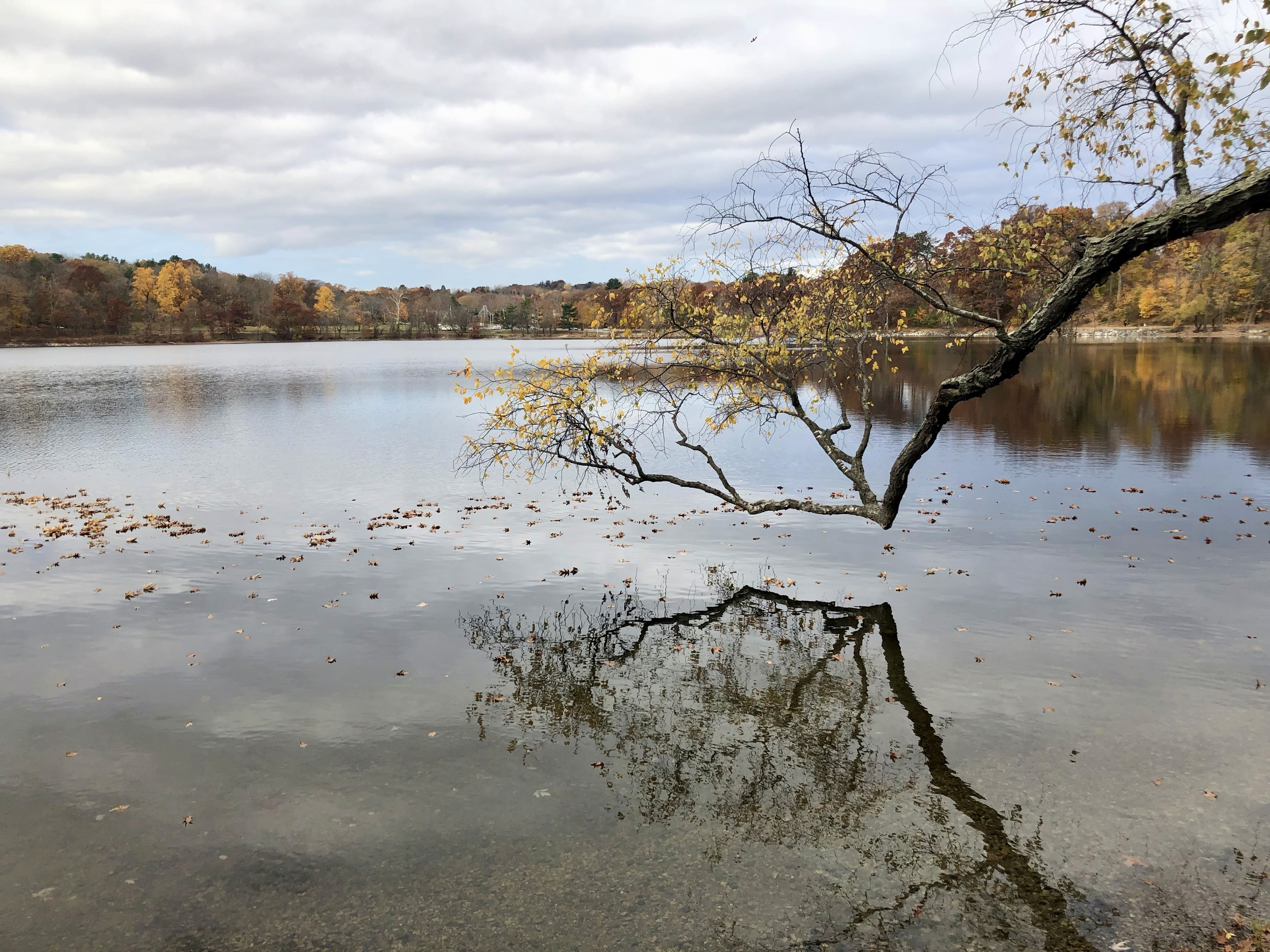
Take a deep breath at Jamaica Pond, a shimmering body of water lying at the Emerald Necklace's heart.

Jamaica Pond captivated Olmsted with its “great beauty in reflections and flickering half-lights," and he felt it required only a few alterations to highlight its natural beauty. In his plans for the pond, Olmsted preserved much of the existing vegetation and framed its reflective surface with new trees, shrubs, and pathways. Measuring in at 68 acres and more than 50 feet deep, the pond—a remnant of the last ice age—is the largest natural body of water in the City of Boston. Today, the boathouse at Jamaica Pond provides facilities for sailing and rowing. The 1.5-mile path around the pond is a favorite of joggers and dog walkers alike. Visitors can fish by permit, and the pond is annually stocked with trout raised in state hatcheries. The fields above the pond—including Pinebank Promontory and the Sugar Bowl—are perfect for picnicking or playing a little wiffle ball.

  • Jamaica's Pond's circumferential pathway is perfect for a good walk or jog

    Credits:

    Merrill Shea

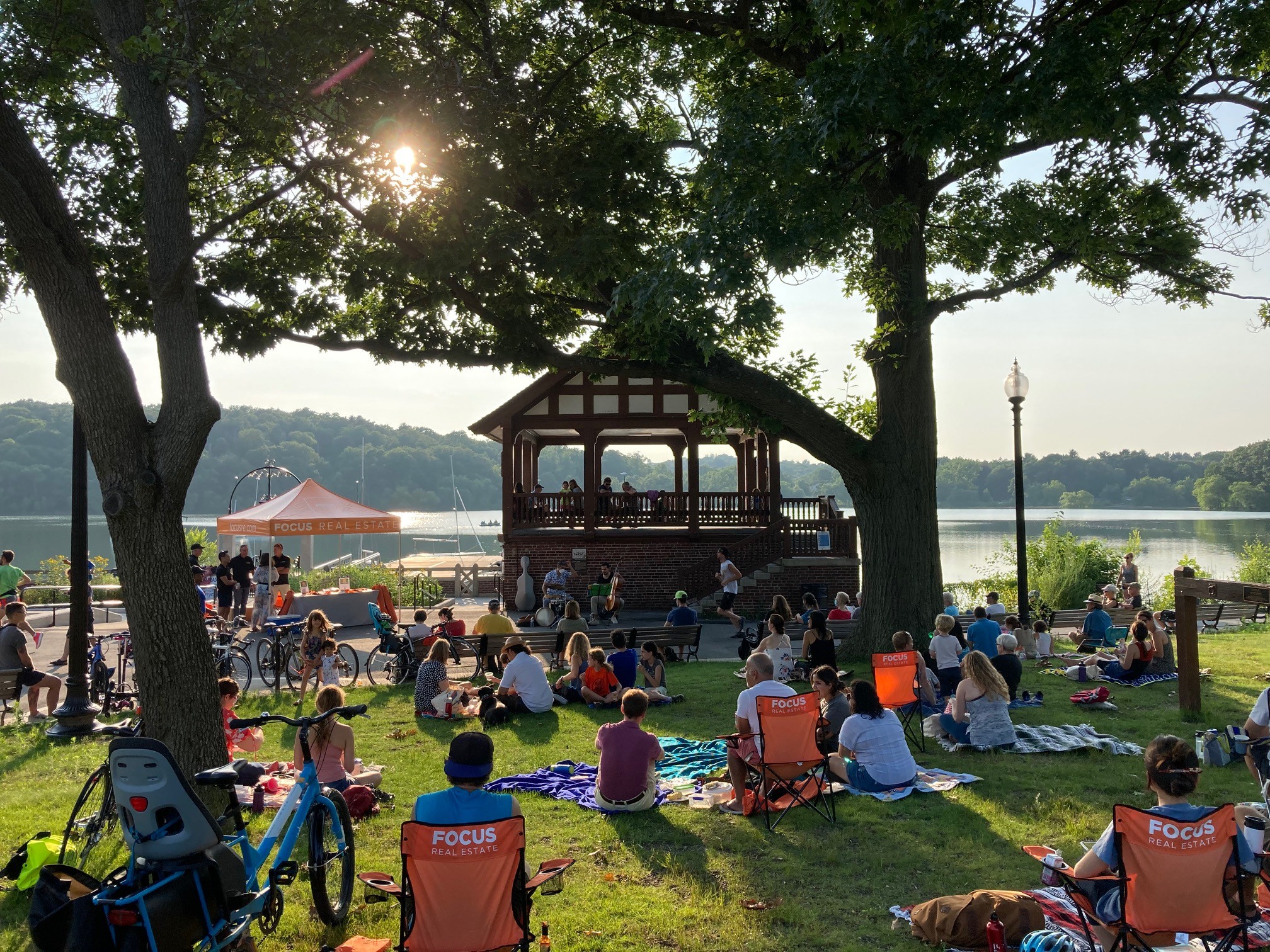
  • Crowds fill the area around the Jamaica Pond Bandstand for a concert

    Credits:

    Adam Banks

  • Jamaica Pond was a popular ice skating destination from the Victorian era through 1929

    Credits:

    Courtesy of the Boston Public Library, Leslie Jones Collection

  • The memorial to Pinebank Mansion at Pinebank Promontory

    Credits:

    Evan Bradley

  • Shea's Island lies on the northern edge of Jamaica Pond

    Credits:

    Evan Bradley

  • Jamaica's Pond's circumferential pathway is perfect for a good walk or jog

    Credits:

    Merrill Shea

  • Crowds fill the area around the Jamaica Pond Bandstand for a concert

    Credits:

    Adam Banks

  • Jamaica Pond was a popular ice skating destination from the Victorian era through 1929

    Credits:

    Courtesy of the Boston Public Library, Leslie Jones Collection

  • The memorial to Pinebank Mansion at Pinebank Promontory

    Credits:

    Evan Bradley

  • Shea's Island lies on the northern edge of Jamaica Pond

    Credits:

    Evan Bradley

History

Jamaica Pond was created at the end of the last ice age—between 10,000 and 14,000 years ago—by a retreating glacier. It is a pristine example of a kettle pond, where chunks of ice left behind by the glacier are buried in sediment, melt, leave depressions in the ground, and fill with water. Kettle ponds like Jamaica Pond are typically circular and deep for their size. The pond has a long history of human use—not only as a place of recreation, but also as a place of industry. It was likely utilized by local indigenous communities for fishing. In 1796, the pond was tapped as a water source, feeding water to Boston through a network of wooden pipes. In the mid-19th century, ice was harvested from the pond and shipped worldwide for year-round refrigeration, a major industry at the time. In 1874, one company harvested up to 5,000 pounds of ice from the pond daily. When Olmsted began his work at Jamaica Pond in the 1880s, much of the shoreline was taken up by summer homes. Seeking to preserve the pond's natural beauty, he had all but one—the Pinebank Mansion—destroyed, but otherwise made few additions to the landscape. Apart from the construction of the Jamaica Pond Boathouse and Bandstand in 1913, and the demolition of the Pinebank Mansion in 2007, the park looks much the same as it did in Olmsted's Day.

  • Jamaica's Pond's circumferential pathway is perfect for a good walk or jog

    Credits:

    Merrill Shea

  • Crowds fill the area around the Jamaica Pond Bandstand for a concert

    Credits:

    Adam Banks

  • Jamaica Pond was a popular ice skating destination from the Victorian era through 1929

    Credits:

    Courtesy of the Boston Public Library, Leslie Jones Collection

  • The memorial to Pinebank Mansion at Pinebank Promontory

    Credits:

    Evan Bradley

History

Jamaica Pond was created at the end of the last ice age—between 10,000 and 14,000 years ago—by a retreating glacier. It is a pristine example of a kettle pond, where chunks of ice left behind by the glacier are buried in sediment, melt, leave depressions in the ground, and fill with water. Kettle ponds like Jamaica Pond are typically circular and deep for their size. The pond has a long history of human use—not only as a place of recreation, but also as a place of industry. It was likely utilized by local indigenous communities for fishing. In 1796, the pond was tapped as a water source, feeding water to Boston through a network of wooden pipes. In the mid-19th century, ice was harvested from the pond and shipped worldwide for year-round refrigeration, a major industry at the time. In 1874, one company harvested up to 5,000 pounds of ice from the pond daily. When Olmsted began his work at Jamaica Pond in the 1880s, much of the shoreline was taken up by summer homes. Seeking to preserve the pond's natural beauty, he had all but one—the Pinebank Mansion—destroyed, but otherwise made few additions to the landscape. Apart from the construction of the Jamaica Pond Boathouse and Bandstand in 1913, and the demolition of the Pinebank Mansion in 2007, the park looks much the same as it did in Olmsted's Day.

Things to do

Jamaica Pond makes for a near-perfect walk in the park, with a wide, 1.5-mile pathway for walking and jogging. Sail or paddle the pond from the docks of the Jamaica Pond Boathouse. Listen for the whoosh of a sled over snow, or watch the reflections on the water's surface.

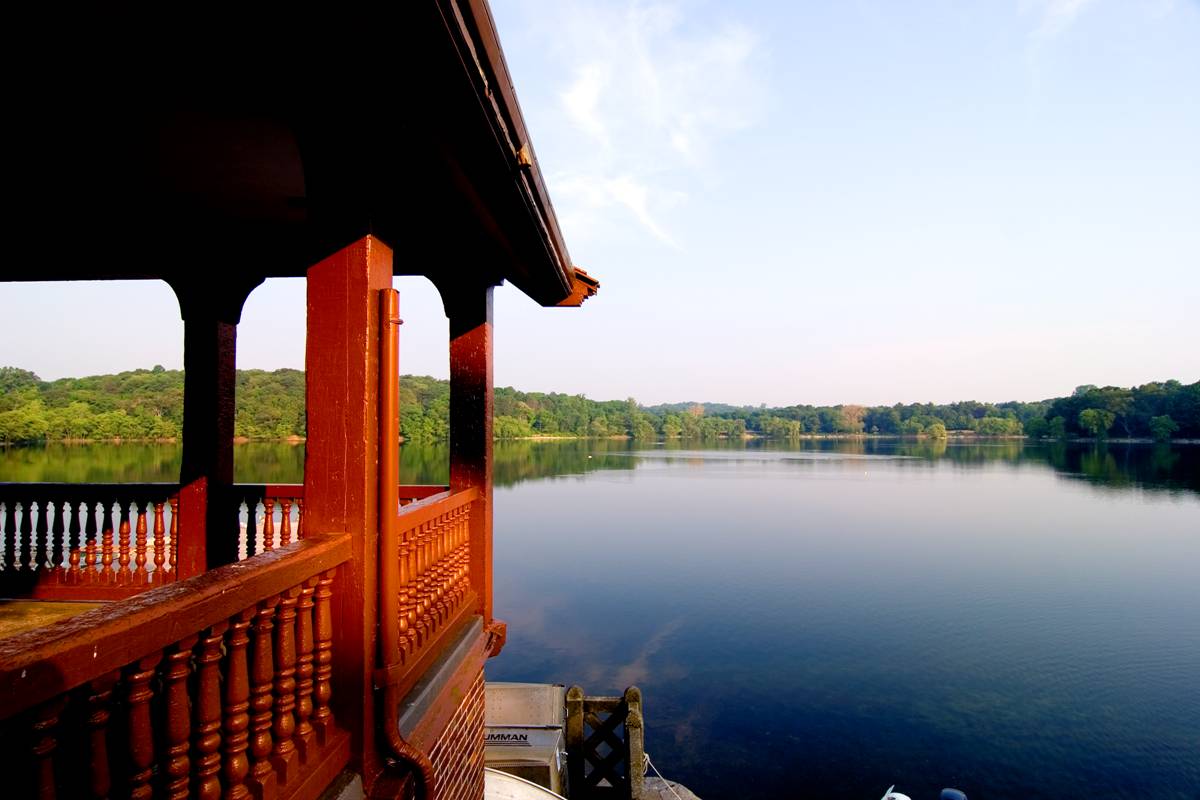
Jamaica Pond Boathouse & Bandstand c. 1920
Courtesy the National Park Service, Frederick Law Olmsted National Historic Site
Jamaica Pond Boathouse & Bandstand, 2023
Emerald Necklace Conservancy
Did you know?

The origin of the name "Jamaica Pond" is debated. While the USGS identifies the origin as an indigenous word meaning "an abundance of beavers," others theorize that the pond (and the surrounding neighborhood of Jamaica Plain) is named for Kuchamakin, a 17th-century sachem of the local Massachusetts tribe.

Free events happening soon
At
Jamaica Pond
Jamaica Pond

Follow the

Emerald Necklace

Necklace

Follow the

Emerald

Necklace

Land & water
ACKNOWLEDGEMENT

The world didn't start with Olmsted. For millennia before and in the centuries since Frederick Law Olmsted designed the Emerald Necklace park system for a rapidly industrializing city and metropolitan area, the lands and waters of and around Greater Boston have served as a site of exchange among communities including the Massachusett, Pawtucket, Wampanoag and Nipmuc peoples. The Emerald Necklace Conservancy acknowledges the Greater Boston region as their unceded ancestral territories. This acknowledgement is a starting point toward right relations with Indigenous neighbors and their understandings of land stewardship.

The parks belong to the people. ‎ ‎ ‎ ‎‎ ‎ ‎ ‎ ‎ The parks belong to the people. ‎ ‎ ‎ ‎‎ ‎ ‎ ‎ ‎ The parks belong to the people. ‎ ‎ ‎ ‎‎ ‎ ‎ ‎ ‎ The parks belong to the people. ‎ ‎ ‎ ‎‎ ‎ ‎ ‎ ‎ The parks belong to the people. ‎ ‎ ‎ ‎‎ ‎ ‎ ‎ ‎ The parks belong to the people. ‎ ‎ ‎ ‎‎ ‎ ‎ ‎ ‎ The parks belong to the people. ‎ ‎ ‎ ‎‎ ‎ ‎ ‎ ‎ The parks belong to the people. ‎ ‎ ‎ ‎‎ ‎ ‎ ‎ ‎ The parks belong to the people. ‎ ‎ ‎ ‎‎ ‎ ‎ ‎ ‎ The parks belong to the people. ‎ ‎ ‎ ‎‎ ‎ ‎ ‎ ‎ The parks belong to the people. ‎ ‎ ‎ ‎‎ ‎ ‎ ‎ ‎ The parks belong to the people. ‎ ‎ ‎ ‎‎ ‎ ‎ ‎ ‎ The parks belong to the people. ‎ ‎ ‎ ‎‎ ‎ ‎ ‎ ‎ The parks belong to the people. ‎ ‎ ‎ ‎‎ ‎ ‎ ‎ ‎ The parks belong to the people. ‎ ‎ ‎ ‎‎ ‎ ‎ ‎ ‎ The parks belong to the people. ‎ ‎ ‎ ‎‎ ‎ ‎ ‎ ‎ The parks belong to the people. ‎ ‎ ‎ ‎‎ ‎ ‎ ‎ ‎ The parks belong to the people. ‎ ‎ ‎ ‎‎ ‎ ‎ ‎ ‎ The parks belong to the people. ‎ ‎ ‎ ‎‎ ‎ ‎ ‎ ‎ The parks belong to the people. ‎ ‎ ‎ ‎‎ ‎ ‎ ‎ ‎ The parks belong to the people. ‎ ‎ ‎ ‎‎ ‎ ‎ ‎ ‎ The parks belong to the people. ‎ ‎ ‎ ‎‎ ‎ ‎ ‎ ‎ The parks belong to the people. ‎ ‎ ‎ ‎‎ ‎ ‎ ‎ ‎ The parks belong to the people. ‎ ‎ ‎ ‎‎ ‎ ‎ ‎ ‎ The parks belong to the people. ‎ ‎ ‎ ‎‎ ‎ ‎ ‎ ‎ The parks belong to the people. ‎ ‎ ‎ ‎‎ ‎ ‎ ‎ ‎ The parks belong to the people. ‎ ‎ ‎ ‎‎ ‎ ‎ ‎ ‎ The parks belong to the people. ‎ ‎ ‎ ‎‎ ‎ ‎ ‎ ‎ The parks belong to the people. ‎ ‎ ‎ ‎‎ ‎ ‎ ‎ ‎ The parks belong to the people. ‎ ‎ ‎ ‎‎ ‎ ‎ ‎ ‎ The parks belong to the people. ‎ ‎ ‎ ‎‎ ‎ ‎ ‎ ‎ The parks belong to the people. ‎ ‎ ‎ ‎‎ ‎ ‎ ‎ ‎ The parks belong to the people. ‎ ‎ ‎ ‎‎ ‎ ‎ ‎ ‎ The parks belong to the people. ‎ ‎ ‎ ‎‎ ‎ ‎ ‎ ‎ The parks belong to the people. ‎ ‎ ‎ ‎‎ ‎ ‎ ‎ ‎ The parks belong to the people. ‎ ‎ ‎ ‎‎ ‎ ‎ ‎ ‎ The parks belong to the people. ‎ ‎ ‎ ‎‎ ‎ ‎ ‎ ‎ The parks belong to the people. ‎ ‎ ‎ ‎‎ ‎ ‎ ‎ ‎ The parks belong to the people. ‎ ‎ ‎ ‎‎ ‎ ‎ ‎ ‎ The parks belong to the people. ‎ ‎ ‎ ‎‎ ‎ ‎ ‎ ‎ The parks belong to the people. ‎ ‎ ‎ ‎‎ ‎ ‎ ‎ ‎ The parks belong to the people. ‎ ‎ ‎ ‎‎ ‎ ‎ ‎ ‎ The parks belong to the people. ‎ ‎ ‎ ‎‎ ‎ ‎ ‎ ‎ The parks belong to the people. ‎ ‎ ‎ ‎‎ ‎ ‎ ‎ ‎ The parks belong to the people. ‎ ‎ ‎ ‎‎ ‎ ‎ ‎ ‎ The parks belong to the people. ‎ ‎ ‎ ‎‎ ‎ ‎ ‎ ‎ The parks belong to the people. ‎ ‎ ‎ ‎‎ ‎ ‎ ‎ ‎ The parks belong to the people. ‎ ‎ ‎ ‎‎ ‎ ‎ ‎ ‎ The parks belong to the people. ‎ ‎ ‎ ‎‎ ‎ ‎ ‎ ‎ The parks belong to the people. ‎ ‎ ‎ ‎‎ ‎ ‎ ‎ ‎

Subscribe for Necklace news, community events, and to enliven the parks.

Shattuck Visitor Center

Year-Round

Mon-Fri 9:30am – 5pm

May-October

Sat-Sun 10am – 4pm

Mailing address

+1 (617) 522–2700

The Emerald Necklace Conservancy is a not-for-profit organization and is tax-exempt under Section 501(c)(3) of the Internal Revenue Code. Our federal Employer Identification Number (EIN) is 04-3414988.

Land & water
ACKNOWLEDGEMENT

The world didn't start with Olmsted. For millennia before and in the centuries since Frederick Law Olmsted designed the Emerald Necklace park system for a rapidly industrializing city and metropolitan area, the lands and waters of and around Greater Boston have served as a site of exchange among communities including the Massachusett, Pawtucket, Wampanoag and Nipmuc peoples. The Emerald Necklace Conservancy acknowledges the Greater Boston region as their unceded ancestral territories. This acknowledgement is a starting point toward right relations with Indigenous neighbors and their understandings of land stewardship.

The parks belong to the people. ‎ ‎ ‎ ‎‎ ‎ ‎ ‎ ‎ The parks belong to the people. ‎ ‎ ‎ ‎‎ ‎ ‎ ‎ ‎ The parks belong to the people. ‎ ‎ ‎ ‎‎ ‎ ‎ ‎ ‎ The parks belong to the people. ‎ ‎ ‎ ‎‎ ‎ ‎ ‎ ‎ The parks belong to the people. ‎ ‎ ‎ ‎‎ ‎ ‎ ‎ ‎ The parks belong to the people. ‎ ‎ ‎ ‎‎ ‎ ‎ ‎ ‎ The parks belong to the people. ‎ ‎ ‎ ‎‎ ‎ ‎ ‎ ‎ The parks belong to the people. ‎ ‎ ‎ ‎‎ ‎ ‎ ‎ ‎ The parks belong to the people. ‎ ‎ ‎ ‎‎ ‎ ‎ ‎ ‎ The parks belong to the people. ‎ ‎ ‎ ‎‎ ‎ ‎ ‎ ‎ The parks belong to the people. ‎ ‎ ‎ ‎‎ ‎ ‎ ‎ ‎ The parks belong to the people. ‎ ‎ ‎ ‎‎ ‎ ‎ ‎ ‎ The parks belong to the people. ‎ ‎ ‎ ‎‎ ‎ ‎ ‎ ‎ The parks belong to the people. ‎ ‎ ‎ ‎‎ ‎ ‎ ‎ ‎ The parks belong to the people. ‎ ‎ ‎ ‎‎ ‎ ‎ ‎ ‎ The parks belong to the people. ‎ ‎ ‎ ‎‎ ‎ ‎ ‎ ‎ The parks belong to the people. ‎ ‎ ‎ ‎‎ ‎ ‎ ‎ ‎ The parks belong to the people. ‎ ‎ ‎ ‎‎ ‎ ‎ ‎ ‎ The parks belong to the people. ‎ ‎ ‎ ‎‎ ‎ ‎ ‎ ‎ The parks belong to the people. ‎ ‎ ‎ ‎‎ ‎ ‎ ‎ ‎ The parks belong to the people. ‎ ‎ ‎ ‎‎ ‎ ‎ ‎ ‎ The parks belong to the people. ‎ ‎ ‎ ‎‎ ‎ ‎ ‎ ‎ The parks belong to the people. ‎ ‎ ‎ ‎‎ ‎ ‎ ‎ ‎ The parks belong to the people. ‎ ‎ ‎ ‎‎ ‎ ‎ ‎ ‎ The parks belong to the people. ‎ ‎ ‎ ‎‎ ‎ ‎ ‎ ‎ The parks belong to the people. ‎ ‎ ‎ ‎‎ ‎ ‎ ‎ ‎ The parks belong to the people. ‎ ‎ ‎ ‎‎ ‎ ‎ ‎ ‎ The parks belong to the people. ‎ ‎ ‎ ‎‎ ‎ ‎ ‎ ‎ The parks belong to the people. ‎ ‎ ‎ ‎‎ ‎ ‎ ‎ ‎ The parks belong to the people. ‎ ‎ ‎ ‎‎ ‎ ‎ ‎ ‎ The parks belong to the people. ‎ ‎ ‎ ‎‎ ‎ ‎ ‎ ‎ The parks belong to the people. ‎ ‎ ‎ ‎‎ ‎ ‎ ‎ ‎ The parks belong to the people. ‎ ‎ ‎ ‎‎ ‎ ‎ ‎ ‎ The parks belong to the people. ‎ ‎ ‎ ‎‎ ‎ ‎ ‎ ‎ The parks belong to the people. ‎ ‎ ‎ ‎‎ ‎ ‎ ‎ ‎ The parks belong to the people. ‎ ‎ ‎ ‎‎ ‎ ‎ ‎ ‎ The parks belong to the people. ‎ ‎ ‎ ‎‎ ‎ ‎ ‎ ‎ The parks belong to the people. ‎ ‎ ‎ ‎‎ ‎ ‎ ‎ ‎ The parks belong to the people. ‎ ‎ ‎ ‎‎ ‎ ‎ ‎ ‎ The parks belong to the people. ‎ ‎ ‎ ‎‎ ‎ ‎ ‎ ‎ The parks belong to the people. ‎ ‎ ‎ ‎‎ ‎ ‎ ‎ ‎ The parks belong to the people. ‎ ‎ ‎ ‎‎ ‎ ‎ ‎ ‎ The parks belong to the people. ‎ ‎ ‎ ‎‎ ‎ ‎ ‎ ‎ The parks belong to the people. ‎ ‎ ‎ ‎‎ ‎ ‎ ‎ ‎ The parks belong to the people. ‎ ‎ ‎ ‎‎ ‎ ‎ ‎ ‎ The parks belong to the people. ‎ ‎ ‎ ‎‎ ‎ ‎ ‎ ‎ The parks belong to the people. ‎ ‎ ‎ ‎‎ ‎ ‎ ‎ ‎ The parks belong to the people. ‎ ‎ ‎ ‎‎ ‎ ‎ ‎ ‎ The parks belong to the people. ‎ ‎ ‎ ‎‎ ‎ ‎ ‎ ‎ The parks belong to the people. ‎ ‎ ‎ ‎‎ ‎ ‎ ‎ ‎

Subscribe for Necklace news, community events, and to enliven the parks.

Shattuck Visitor Center

Year-Round

Mon-Fri 9:30am – 5pm

May-October

Sat-Sun 10am – 4pm

Mailing address

+1 (617) 522–2700

The Emerald Necklace Conservancy is a not-for-profit organization and is tax-exempt under Section 501(c)(3) of the Internal Revenue Code. Our federal Employer Identification Number (EIN) is 04-3414988.

Land & water
ACKNOWLEDGEMENT

The world didn't start with Olmsted. For millennia before and in the centuries since Frederick Law Olmsted designed the Emerald Necklace park system for a rapidly industrializing city and metropolitan area, the lands and waters of and around Greater Boston have served as a site of exchange among communities including the Massachusett, Pawtucket, Wampanoag and Nipmuc peoples. The Emerald Necklace Conservancy acknowledges the Greater Boston region as their unceded ancestral territories. This acknowledgement is a starting point toward right relations with Indigenous neighbors and their understandings of land stewardship.

The parks belong to the people. ‎ ‎ ‎ ‎‎ ‎ ‎ ‎ ‎ The parks belong to the people. ‎ ‎ ‎ ‎‎ ‎ ‎ ‎ ‎ The parks belong to the people. ‎ ‎ ‎ ‎‎ ‎ ‎ ‎ ‎ The parks belong to the people. ‎ ‎ ‎ ‎‎ ‎ ‎ ‎ ‎ The parks belong to the people. ‎ ‎ ‎ ‎‎ ‎ ‎ ‎ ‎ The parks belong to the people. ‎ ‎ ‎ ‎‎ ‎ ‎ ‎ ‎ The parks belong to the people. ‎ ‎ ‎ ‎‎ ‎ ‎ ‎ ‎ The parks belong to the people. ‎ ‎ ‎ ‎‎ ‎ ‎ ‎ ‎ The parks belong to the people. ‎ ‎ ‎ ‎‎ ‎ ‎ ‎ ‎ The parks belong to the people. ‎ ‎ ‎ ‎‎ ‎ ‎ ‎ ‎ The parks belong to the people. ‎ ‎ ‎ ‎‎ ‎ ‎ ‎ ‎ The parks belong to the people. ‎ ‎ ‎ ‎‎ ‎ ‎ ‎ ‎ The parks belong to the people. ‎ ‎ ‎ ‎‎ ‎ ‎ ‎ ‎ The parks belong to the people. ‎ ‎ ‎ ‎‎ ‎ ‎ ‎ ‎ The parks belong to the people. ‎ ‎ ‎ ‎‎ ‎ ‎ ‎ ‎ The parks belong to the people. ‎ ‎ ‎ ‎‎ ‎ ‎ ‎ ‎ The parks belong to the people. ‎ ‎ ‎ ‎‎ ‎ ‎ ‎ ‎ The parks belong to the people. ‎ ‎ ‎ ‎‎ ‎ ‎ ‎ ‎ The parks belong to the people. ‎ ‎ ‎ ‎‎ ‎ ‎ ‎ ‎ The parks belong to the people. ‎ ‎ ‎ ‎‎ ‎ ‎ ‎ ‎ The parks belong to the people. ‎ ‎ ‎ ‎‎ ‎ ‎ ‎ ‎ The parks belong to the people. ‎ ‎ ‎ ‎‎ ‎ ‎ ‎ ‎ The parks belong to the people. ‎ ‎ ‎ ‎‎ ‎ ‎ ‎ ‎ The parks belong to the people. ‎ ‎ ‎ ‎‎ ‎ ‎ ‎ ‎ The parks belong to the people. ‎ ‎ ‎ ‎‎ ‎ ‎ ‎ ‎ The parks belong to the people. ‎ ‎ ‎ ‎‎ ‎ ‎ ‎ ‎ The parks belong to the people. ‎ ‎ ‎ ‎‎ ‎ ‎ ‎ ‎ The parks belong to the people. ‎ ‎ ‎ ‎‎ ‎ ‎ ‎ ‎ The parks belong to the people. ‎ ‎ ‎ ‎‎ ‎ ‎ ‎ ‎ The parks belong to the people. ‎ ‎ ‎ ‎‎ ‎ ‎ ‎ ‎ The parks belong to the people. ‎ ‎ ‎ ‎‎ ‎ ‎ ‎ ‎ The parks belong to the people. ‎ ‎ ‎ ‎‎ ‎ ‎ ‎ ‎ The parks belong to the people. ‎ ‎ ‎ ‎‎ ‎ ‎ ‎ ‎ The parks belong to the people. ‎ ‎ ‎ ‎‎ ‎ ‎ ‎ ‎ The parks belong to the people. ‎ ‎ ‎ ‎‎ ‎ ‎ ‎ ‎ The parks belong to the people. ‎ ‎ ‎ ‎‎ ‎ ‎ ‎ ‎ The parks belong to the people. ‎ ‎ ‎ ‎‎ ‎ ‎ ‎ ‎ The parks belong to the people. ‎ ‎ ‎ ‎‎ ‎ ‎ ‎ ‎ The parks belong to the people. ‎ ‎ ‎ ‎‎ ‎ ‎ ‎ ‎ The parks belong to the people. ‎ ‎ ‎ ‎‎ ‎ ‎ ‎ ‎ The parks belong to the people. ‎ ‎ ‎ ‎‎ ‎ ‎ ‎ ‎ The parks belong to the people. ‎ ‎ ‎ ‎‎ ‎ ‎ ‎ ‎ The parks belong to the people. ‎ ‎ ‎ ‎‎ ‎ ‎ ‎ ‎ The parks belong to the people. ‎ ‎ ‎ ‎‎ ‎ ‎ ‎ ‎ The parks belong to the people. ‎ ‎ ‎ ‎‎ ‎ ‎ ‎ ‎ The parks belong to the people. ‎ ‎ ‎ ‎‎ ‎ ‎ ‎ ‎ The parks belong to the people. ‎ ‎ ‎ ‎‎ ‎ ‎ ‎ ‎ The parks belong to the people. ‎ ‎ ‎ ‎‎ ‎ ‎ ‎ ‎ The parks belong to the people. ‎ ‎ ‎ ‎‎ ‎ ‎ ‎ ‎ The parks belong to the people. ‎ ‎ ‎ ‎‎ ‎ ‎ ‎ ‎

Subscribe for Necklace news, community events, and to enliven the parks.

Shattuck Visitor Center

Year-Round

Mon-Fri 9:30am – 5pm

May-October

Sat-Sun 10am – 4pm

Mailing address

+1 (617) 522–2700

The Emerald Necklace Conservancy is a not-for-profit organization and is tax-exempt under Section 501(c)(3) of the Internal Revenue Code. Our federal Employer Identification Number (EIN) is 04-3414988.