Arnold Arboretum

Roam. Branch out. Inspire.

Discover the world's trees at the Arnold Arboretum, home to more than 15,000 woody specimens, and world-class views of the surrounding City.

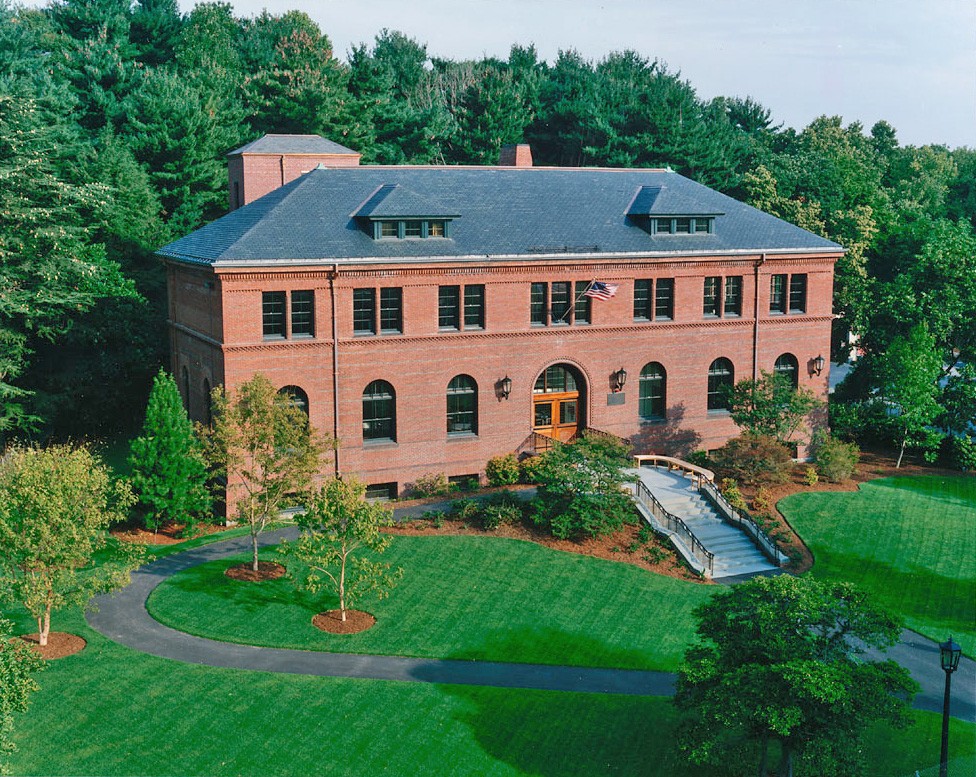
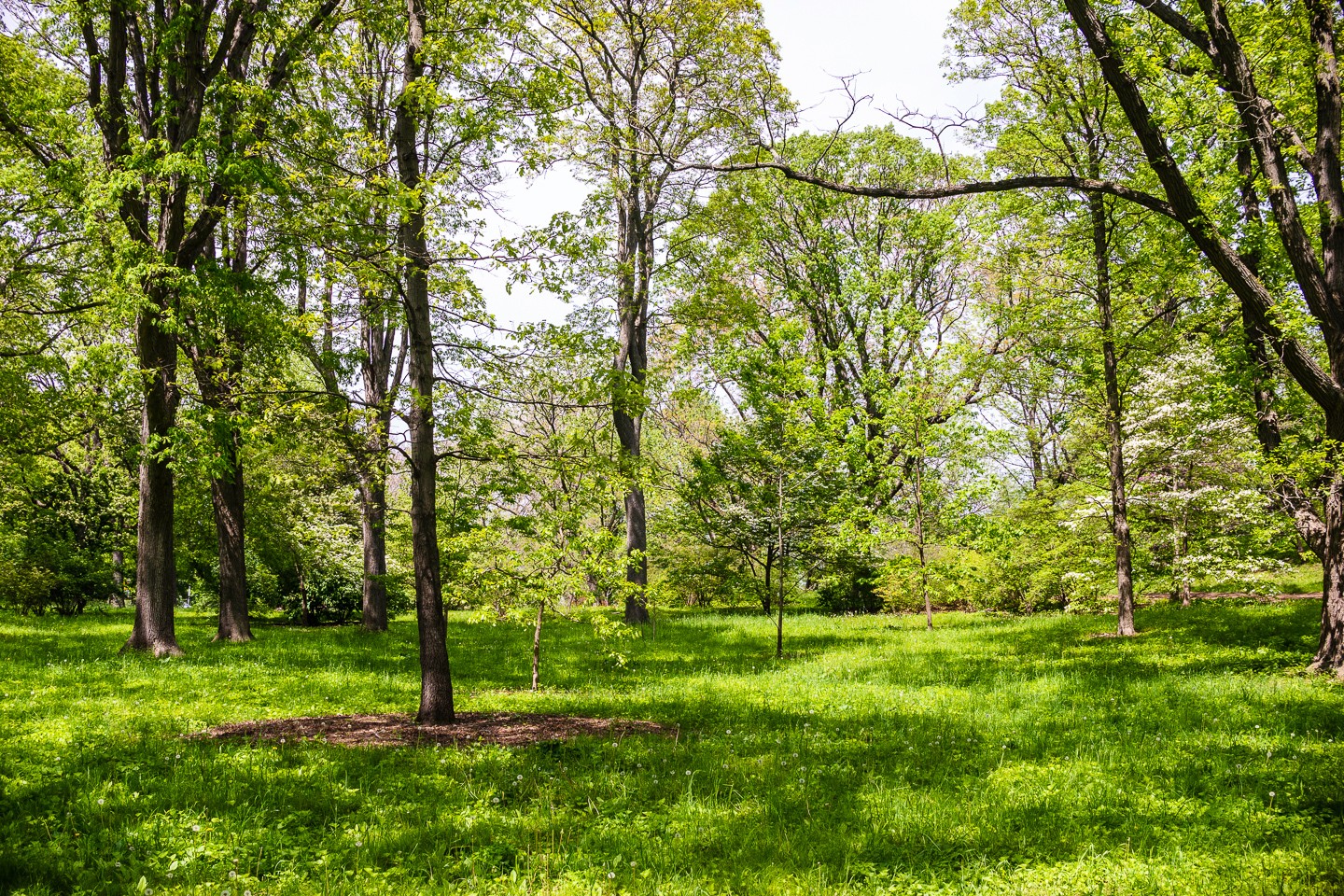
Established in 1872, the Arnold Arboretum is open daily to the public as a free landscape for the study and enjoyment of trees, shrubs, and vines. As North America’s first public arboretum and a National Historic Landmark, it is owned by the City of Boston and managed by Harvard University under a 1,000-year lease signed in 1882. Today, the Arboretum is both a beautiful landscape of mature plants and a site for vital scientific research, much of which is done at the research center at Weld Hill. The Arboretum’s 281 acres include meadows, forests, and ponds that create a naturalized setting for plants collected from around the globe. This living collection of more than 15,000 plants, including rhododendrons, lilacs, and maples, is among the largest and best documented in the world. Peters Hill, the highest point in the Emerald Necklace, provides a glorious view of the Boston skyline. The Arboretum also has a visitor center, changing art exhibitions, and a horticultural library in the Hunnewell Building at the Arborway Gate.

  • The Hunnewell Building

    Credits:

    Evan Bradley

  • Families gather at the Arboretum for Lilac Sunday

    Credits:

    Emerald Necklace Conservancy

  • View of the Boston Skyline from Peters Hill

    Credits:

    Evan Bradley

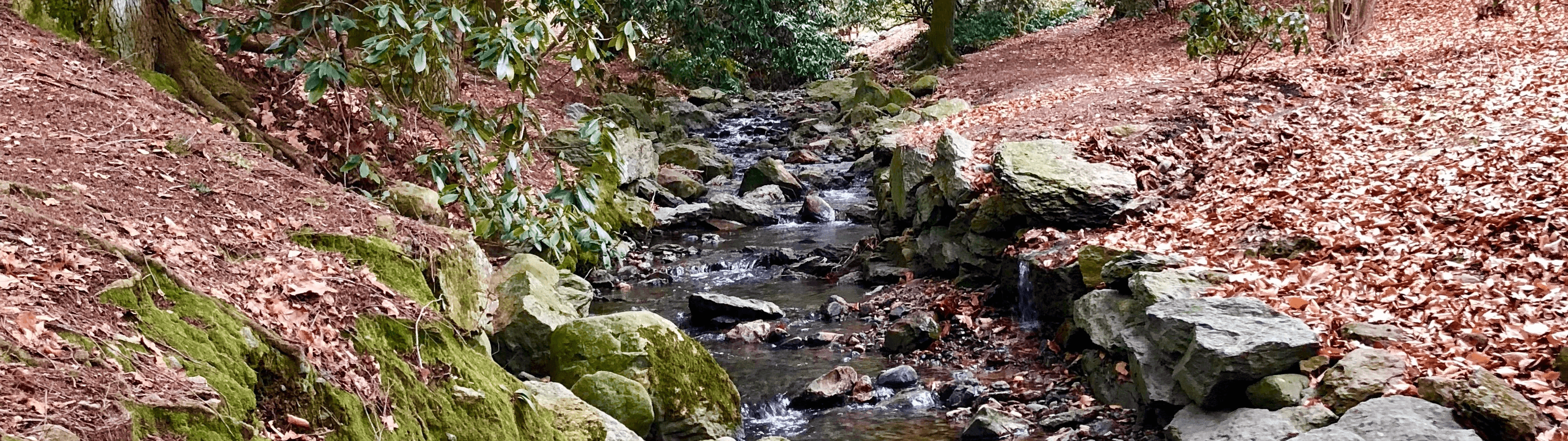
  • Rhododendrons by Bussey Brook

    Credits:

    Evan Bradley

  • The Hunnewell Building

    Credits:

    Evan Bradley

  • Families gather at the Arboretum for Lilac Sunday

    Credits:

    Emerald Necklace Conservancy

  • View of the Boston Skyline from Peters Hill

    Credits:

    Evan Bradley

  • Rhododendrons by Bussey Brook

    Credits:

    Evan Bradley

History

The Arnold Arboretum is a landscape founded on and supported by deep collaboration. It was created in 1872 through the donation of land and financial resources by Benjamin Bussey and James Arnold, and designed by Frederick Law Olmsted in partnership with Charles Sprague Sargent, its first director. Over the years, the Arboretum has become a center for botanical research, with a focus on the plants of eastern North America and east Asia. This research has been fostered by the construction of the Dana Greenhouses (1962) and the Weld Research Center (2011), as well as partnerships across the world.

  • The Hunnewell Building

    Credits:

    Evan Bradley

  • Families gather at the Arboretum for Lilac Sunday

    Credits:

    Emerald Necklace Conservancy

  • View of the Boston Skyline from Peters Hill

    Credits:

    Evan Bradley

  • Rhododendrons by Bussey Brook

    Credits:

    Evan Bradley

History

The Arnold Arboretum is a landscape founded on and supported by deep collaboration. It was created in 1872 through the donation of land and financial resources by Benjamin Bussey and James Arnold, and designed by Frederick Law Olmsted in partnership with Charles Sprague Sargent, its first director. Over the years, the Arboretum has become a center for botanical research, with a focus on the plants of eastern North America and east Asia. This research has been fostered by the construction of the Dana Greenhouses (1962) and the Weld Research Center (2011), as well as partnerships across the world.

Things to do

The Arboretum's world-renowned collection is a fantastic space to learn—but the landscape also welcomes sightseeing and relaxation. Discover groves of ancient tree species. Take in world-class view of the Boston skyline. Breathe in the scent of blooming lilacs.

Aerial of the Arnold Arboretum, 1936
Courtesy of the Arnold Arboretum
Aerial of the Arnold Arboretum, 2005
Courtesy of the Arnold Arboretum
Did you know?

At 240 feet tall, Peters Hill, located in the southern third of the Arboretum, is the third-highest point in the City of Boston. It is named for Andrew James Peters, a former mayor of Boston.

Follow the

Emerald Necklace

Necklace

Follow the

Emerald

Necklace

Land & water
ACKNOWLEDGEMENT

The world didn't start with Olmsted. For millennia before and in the centuries since Frederick Law Olmsted designed the Emerald Necklace park system for a rapidly industrializing city and metropolitan area, the lands and waters of and around Greater Boston have served as a site of exchange among communities including the Massachusett, Pawtucket, Wampanoag and Nipmuc peoples. The Emerald Necklace Conservancy acknowledges the Greater Boston region as their unceded ancestral territories. This acknowledgement is a starting point toward right relations with Indigenous neighbors and their understandings of land stewardship.

The parks belong to the people. ‎ ‎ ‎ ‎‎ ‎ ‎ ‎ ‎ The parks belong to the people. ‎ ‎ ‎ ‎‎ ‎ ‎ ‎ ‎ The parks belong to the people. ‎ ‎ ‎ ‎‎ ‎ ‎ ‎ ‎ The parks belong to the people. ‎ ‎ ‎ ‎‎ ‎ ‎ ‎ ‎ The parks belong to the people. ‎ ‎ ‎ ‎‎ ‎ ‎ ‎ ‎ The parks belong to the people. ‎ ‎ ‎ ‎‎ ‎ ‎ ‎ ‎ The parks belong to the people. ‎ ‎ ‎ ‎‎ ‎ ‎ ‎ ‎ The parks belong to the people. ‎ ‎ ‎ ‎‎ ‎ ‎ ‎ ‎ The parks belong to the people. ‎ ‎ ‎ ‎‎ ‎ ‎ ‎ ‎ The parks belong to the people. ‎ ‎ ‎ ‎‎ ‎ ‎ ‎ ‎ The parks belong to the people. ‎ ‎ ‎ ‎‎ ‎ ‎ ‎ ‎ The parks belong to the people. ‎ ‎ ‎ ‎‎ ‎ ‎ ‎ ‎ The parks belong to the people. ‎ ‎ ‎ ‎‎ ‎ ‎ ‎ ‎ The parks belong to the people. ‎ ‎ ‎ ‎‎ ‎ ‎ ‎ ‎ The parks belong to the people. ‎ ‎ ‎ ‎‎ ‎ ‎ ‎ ‎ The parks belong to the people. ‎ ‎ ‎ ‎‎ ‎ ‎ ‎ ‎ The parks belong to the people. ‎ ‎ ‎ ‎‎ ‎ ‎ ‎ ‎ The parks belong to the people. ‎ ‎ ‎ ‎‎ ‎ ‎ ‎ ‎ The parks belong to the people. ‎ ‎ ‎ ‎‎ ‎ ‎ ‎ ‎ The parks belong to the people. ‎ ‎ ‎ ‎‎ ‎ ‎ ‎ ‎ The parks belong to the people. ‎ ‎ ‎ ‎‎ ‎ ‎ ‎ ‎ The parks belong to the people. ‎ ‎ ‎ ‎‎ ‎ ‎ ‎ ‎ The parks belong to the people. ‎ ‎ ‎ ‎‎ ‎ ‎ ‎ ‎ The parks belong to the people. ‎ ‎ ‎ ‎‎ ‎ ‎ ‎ ‎ The parks belong to the people. ‎ ‎ ‎ ‎‎ ‎ ‎ ‎ ‎ The parks belong to the people. ‎ ‎ ‎ ‎‎ ‎ ‎ ‎ ‎ The parks belong to the people. ‎ ‎ ‎ ‎‎ ‎ ‎ ‎ ‎ The parks belong to the people. ‎ ‎ ‎ ‎‎ ‎ ‎ ‎ ‎ The parks belong to the people. ‎ ‎ ‎ ‎‎ ‎ ‎ ‎ ‎ The parks belong to the people. ‎ ‎ ‎ ‎‎ ‎ ‎ ‎ ‎ The parks belong to the people. ‎ ‎ ‎ ‎‎ ‎ ‎ ‎ ‎ The parks belong to the people. ‎ ‎ ‎ ‎‎ ‎ ‎ ‎ ‎ The parks belong to the people. ‎ ‎ ‎ ‎‎ ‎ ‎ ‎ ‎ The parks belong to the people. ‎ ‎ ‎ ‎‎ ‎ ‎ ‎ ‎ The parks belong to the people. ‎ ‎ ‎ ‎‎ ‎ ‎ ‎ ‎ The parks belong to the people. ‎ ‎ ‎ ‎‎ ‎ ‎ ‎ ‎ The parks belong to the people. ‎ ‎ ‎ ‎‎ ‎ ‎ ‎ ‎ The parks belong to the people. ‎ ‎ ‎ ‎‎ ‎ ‎ ‎ ‎ The parks belong to the people. ‎ ‎ ‎ ‎‎ ‎ ‎ ‎ ‎ The parks belong to the people. ‎ ‎ ‎ ‎‎ ‎ ‎ ‎ ‎ The parks belong to the people. ‎ ‎ ‎ ‎‎ ‎ ‎ ‎ ‎ The parks belong to the people. ‎ ‎ ‎ ‎‎ ‎ ‎ ‎ ‎ The parks belong to the people. ‎ ‎ ‎ ‎‎ ‎ ‎ ‎ ‎ The parks belong to the people. ‎ ‎ ‎ ‎‎ ‎ ‎ ‎ ‎ The parks belong to the people. ‎ ‎ ‎ ‎‎ ‎ ‎ ‎ ‎ The parks belong to the people. ‎ ‎ ‎ ‎‎ ‎ ‎ ‎ ‎ The parks belong to the people. ‎ ‎ ‎ ‎‎ ‎ ‎ ‎ ‎ The parks belong to the people. ‎ ‎ ‎ ‎‎ ‎ ‎ ‎ ‎ The parks belong to the people. ‎ ‎ ‎ ‎‎ ‎ ‎ ‎ ‎ The parks belong to the people. ‎ ‎ ‎ ‎‎ ‎ ‎ ‎ ‎

Subscribe for Necklace news, community events, and to enliven the parks.

Shattuck Visitor Center

Year-Round

Mon-Fri 9:30am – 5pm

May-October

Sat-Sun 10am – 4pm

Mailing address

+1 (617) 522–2700

The Emerald Necklace Conservancy is a not-for-profit organization and is tax-exempt under Section 501(c)(3) of the Internal Revenue Code. Our federal Employer Identification Number (EIN) is 04-3414988.

Land & water
ACKNOWLEDGEMENT

The world didn't start with Olmsted. For millennia before and in the centuries since Frederick Law Olmsted designed the Emerald Necklace park system for a rapidly industrializing city and metropolitan area, the lands and waters of and around Greater Boston have served as a site of exchange among communities including the Massachusett, Pawtucket, Wampanoag and Nipmuc peoples. The Emerald Necklace Conservancy acknowledges the Greater Boston region as their unceded ancestral territories. This acknowledgement is a starting point toward right relations with Indigenous neighbors and their understandings of land stewardship.

The parks belong to the people. ‎ ‎ ‎ ‎‎ ‎ ‎ ‎ ‎ The parks belong to the people. ‎ ‎ ‎ ‎‎ ‎ ‎ ‎ ‎ The parks belong to the people. ‎ ‎ ‎ ‎‎ ‎ ‎ ‎ ‎ The parks belong to the people. ‎ ‎ ‎ ‎‎ ‎ ‎ ‎ ‎ The parks belong to the people. ‎ ‎ ‎ ‎‎ ‎ ‎ ‎ ‎ The parks belong to the people. ‎ ‎ ‎ ‎‎ ‎ ‎ ‎ ‎ The parks belong to the people. ‎ ‎ ‎ ‎‎ ‎ ‎ ‎ ‎ The parks belong to the people. ‎ ‎ ‎ ‎‎ ‎ ‎ ‎ ‎ The parks belong to the people. ‎ ‎ ‎ ‎‎ ‎ ‎ ‎ ‎ The parks belong to the people. ‎ ‎ ‎ ‎‎ ‎ ‎ ‎ ‎ The parks belong to the people. ‎ ‎ ‎ ‎‎ ‎ ‎ ‎ ‎ The parks belong to the people. ‎ ‎ ‎ ‎‎ ‎ ‎ ‎ ‎ The parks belong to the people. ‎ ‎ ‎ ‎‎ ‎ ‎ ‎ ‎ The parks belong to the people. ‎ ‎ ‎ ‎‎ ‎ ‎ ‎ ‎ The parks belong to the people. ‎ ‎ ‎ ‎‎ ‎ ‎ ‎ ‎ The parks belong to the people. ‎ ‎ ‎ ‎‎ ‎ ‎ ‎ ‎ The parks belong to the people. ‎ ‎ ‎ ‎‎ ‎ ‎ ‎ ‎ The parks belong to the people. ‎ ‎ ‎ ‎‎ ‎ ‎ ‎ ‎ The parks belong to the people. ‎ ‎ ‎ ‎‎ ‎ ‎ ‎ ‎ The parks belong to the people. ‎ ‎ ‎ ‎‎ ‎ ‎ ‎ ‎ The parks belong to the people. ‎ ‎ ‎ ‎‎ ‎ ‎ ‎ ‎ The parks belong to the people. ‎ ‎ ‎ ‎‎ ‎ ‎ ‎ ‎ The parks belong to the people. ‎ ‎ ‎ ‎‎ ‎ ‎ ‎ ‎ The parks belong to the people. ‎ ‎ ‎ ‎‎ ‎ ‎ ‎ ‎ The parks belong to the people. ‎ ‎ ‎ ‎‎ ‎ ‎ ‎ ‎ The parks belong to the people. ‎ ‎ ‎ ‎‎ ‎ ‎ ‎ ‎ The parks belong to the people. ‎ ‎ ‎ ‎‎ ‎ ‎ ‎ ‎ The parks belong to the people. ‎ ‎ ‎ ‎‎ ‎ ‎ ‎ ‎ The parks belong to the people. ‎ ‎ ‎ ‎‎ ‎ ‎ ‎ ‎ The parks belong to the people. ‎ ‎ ‎ ‎‎ ‎ ‎ ‎ ‎ The parks belong to the people. ‎ ‎ ‎ ‎‎ ‎ ‎ ‎ ‎ The parks belong to the people. ‎ ‎ ‎ ‎‎ ‎ ‎ ‎ ‎ The parks belong to the people. ‎ ‎ ‎ ‎‎ ‎ ‎ ‎ ‎ The parks belong to the people. ‎ ‎ ‎ ‎‎ ‎ ‎ ‎ ‎ The parks belong to the people. ‎ ‎ ‎ ‎‎ ‎ ‎ ‎ ‎ The parks belong to the people. ‎ ‎ ‎ ‎‎ ‎ ‎ ‎ ‎ The parks belong to the people. ‎ ‎ ‎ ‎‎ ‎ ‎ ‎ ‎ The parks belong to the people. ‎ ‎ ‎ ‎‎ ‎ ‎ ‎ ‎ The parks belong to the people. ‎ ‎ ‎ ‎‎ ‎ ‎ ‎ ‎ The parks belong to the people. ‎ ‎ ‎ ‎‎ ‎ ‎ ‎ ‎ The parks belong to the people. ‎ ‎ ‎ ‎‎ ‎ ‎ ‎ ‎ The parks belong to the people. ‎ ‎ ‎ ‎‎ ‎ ‎ ‎ ‎ The parks belong to the people. ‎ ‎ ‎ ‎‎ ‎ ‎ ‎ ‎ The parks belong to the people. ‎ ‎ ‎ ‎‎ ‎ ‎ ‎ ‎ The parks belong to the people. ‎ ‎ ‎ ‎‎ ‎ ‎ ‎ ‎ The parks belong to the people. ‎ ‎ ‎ ‎‎ ‎ ‎ ‎ ‎ The parks belong to the people. ‎ ‎ ‎ ‎‎ ‎ ‎ ‎ ‎ The parks belong to the people. ‎ ‎ ‎ ‎‎ ‎ ‎ ‎ ‎ The parks belong to the people. ‎ ‎ ‎ ‎‎ ‎ ‎ ‎ ‎ The parks belong to the people. ‎ ‎ ‎ ‎‎ ‎ ‎ ‎ ‎

Subscribe for Necklace news, community events, and to enliven the parks.

Shattuck Visitor Center

Year-Round

Mon-Fri 9:30am – 5pm

May-October

Sat-Sun 10am – 4pm

Mailing address

+1 (617) 522–2700

The Emerald Necklace Conservancy is a not-for-profit organization and is tax-exempt under Section 501(c)(3) of the Internal Revenue Code. Our federal Employer Identification Number (EIN) is 04-3414988.

Land & water
ACKNOWLEDGEMENT

The world didn't start with Olmsted. For millennia before and in the centuries since Frederick Law Olmsted designed the Emerald Necklace park system for a rapidly industrializing city and metropolitan area, the lands and waters of and around Greater Boston have served as a site of exchange among communities including the Massachusett, Pawtucket, Wampanoag and Nipmuc peoples. The Emerald Necklace Conservancy acknowledges the Greater Boston region as their unceded ancestral territories. This acknowledgement is a starting point toward right relations with Indigenous neighbors and their understandings of land stewardship.

The parks belong to the people. ‎ ‎ ‎ ‎‎ ‎ ‎ ‎ ‎ The parks belong to the people. ‎ ‎ ‎ ‎‎ ‎ ‎ ‎ ‎ The parks belong to the people. ‎ ‎ ‎ ‎‎ ‎ ‎ ‎ ‎ The parks belong to the people. ‎ ‎ ‎ ‎‎ ‎ ‎ ‎ ‎ The parks belong to the people. ‎ ‎ ‎ ‎‎ ‎ ‎ ‎ ‎ The parks belong to the people. ‎ ‎ ‎ ‎‎ ‎ ‎ ‎ ‎ The parks belong to the people. ‎ ‎ ‎ ‎‎ ‎ ‎ ‎ ‎ The parks belong to the people. ‎ ‎ ‎ ‎‎ ‎ ‎ ‎ ‎ The parks belong to the people. ‎ ‎ ‎ ‎‎ ‎ ‎ ‎ ‎ The parks belong to the people. ‎ ‎ ‎ ‎‎ ‎ ‎ ‎ ‎ The parks belong to the people. ‎ ‎ ‎ ‎‎ ‎ ‎ ‎ ‎ The parks belong to the people. ‎ ‎ ‎ ‎‎ ‎ ‎ ‎ ‎ The parks belong to the people. ‎ ‎ ‎ ‎‎ ‎ ‎ ‎ ‎ The parks belong to the people. ‎ ‎ ‎ ‎‎ ‎ ‎ ‎ ‎ The parks belong to the people. ‎ ‎ ‎ ‎‎ ‎ ‎ ‎ ‎ The parks belong to the people. ‎ ‎ ‎ ‎‎ ‎ ‎ ‎ ‎ The parks belong to the people. ‎ ‎ ‎ ‎‎ ‎ ‎ ‎ ‎ The parks belong to the people. ‎ ‎ ‎ ‎‎ ‎ ‎ ‎ ‎ The parks belong to the people. ‎ ‎ ‎ ‎‎ ‎ ‎ ‎ ‎ The parks belong to the people. ‎ ‎ ‎ ‎‎ ‎ ‎ ‎ ‎ The parks belong to the people. ‎ ‎ ‎ ‎‎ ‎ ‎ ‎ ‎ The parks belong to the people. ‎ ‎ ‎ ‎‎ ‎ ‎ ‎ ‎ The parks belong to the people. ‎ ‎ ‎ ‎‎ ‎ ‎ ‎ ‎ The parks belong to the people. ‎ ‎ ‎ ‎‎ ‎ ‎ ‎ ‎ The parks belong to the people. ‎ ‎ ‎ ‎‎ ‎ ‎ ‎ ‎ The parks belong to the people. ‎ ‎ ‎ ‎‎ ‎ ‎ ‎ ‎ The parks belong to the people. ‎ ‎ ‎ ‎‎ ‎ ‎ ‎ ‎ The parks belong to the people. ‎ ‎ ‎ ‎‎ ‎ ‎ ‎ ‎ The parks belong to the people. ‎ ‎ ‎ ‎‎ ‎ ‎ ‎ ‎ The parks belong to the people. ‎ ‎ ‎ ‎‎ ‎ ‎ ‎ ‎ The parks belong to the people. ‎ ‎ ‎ ‎‎ ‎ ‎ ‎ ‎ The parks belong to the people. ‎ ‎ ‎ ‎‎ ‎ ‎ ‎ ‎ The parks belong to the people. ‎ ‎ ‎ ‎‎ ‎ ‎ ‎ ‎ The parks belong to the people. ‎ ‎ ‎ ‎‎ ‎ ‎ ‎ ‎ The parks belong to the people. ‎ ‎ ‎ ‎‎ ‎ ‎ ‎ ‎ The parks belong to the people. ‎ ‎ ‎ ‎‎ ‎ ‎ ‎ ‎ The parks belong to the people. ‎ ‎ ‎ ‎‎ ‎ ‎ ‎ ‎ The parks belong to the people. ‎ ‎ ‎ ‎‎ ‎ ‎ ‎ ‎ The parks belong to the people. ‎ ‎ ‎ ‎‎ ‎ ‎ ‎ ‎ The parks belong to the people. ‎ ‎ ‎ ‎‎ ‎ ‎ ‎ ‎ The parks belong to the people. ‎ ‎ ‎ ‎‎ ‎ ‎ ‎ ‎ The parks belong to the people. ‎ ‎ ‎ ‎‎ ‎ ‎ ‎ ‎ The parks belong to the people. ‎ ‎ ‎ ‎‎ ‎ ‎ ‎ ‎ The parks belong to the people. ‎ ‎ ‎ ‎‎ ‎ ‎ ‎ ‎ The parks belong to the people. ‎ ‎ ‎ ‎‎ ‎ ‎ ‎ ‎ The parks belong to the people. ‎ ‎ ‎ ‎‎ ‎ ‎ ‎ ‎ The parks belong to the people. ‎ ‎ ‎ ‎‎ ‎ ‎ ‎ ‎ The parks belong to the people. ‎ ‎ ‎ ‎‎ ‎ ‎ ‎ ‎ The parks belong to the people. ‎ ‎ ‎ ‎‎ ‎ ‎ ‎ ‎ The parks belong to the people. ‎ ‎ ‎ ‎‎ ‎ ‎ ‎ ‎

Subscribe for Necklace news, community events, and to enliven the parks.

Shattuck Visitor Center

Year-Round

Mon-Fri 9:30am – 5pm

May-October

Sat-Sun 10am – 4pm

Mailing address

+1 (617) 522–2700

The Emerald Necklace Conservancy is a not-for-profit organization and is tax-exempt under Section 501(c)(3) of the Internal Revenue Code. Our federal Employer Identification Number (EIN) is 04-3414988.