Arborway

Bike. Drift. Wend.

Walk, jog, or bike along the Arborway—the prototypical carriage road and the southernmost of the four parkways designed for the Emerald Necklace.

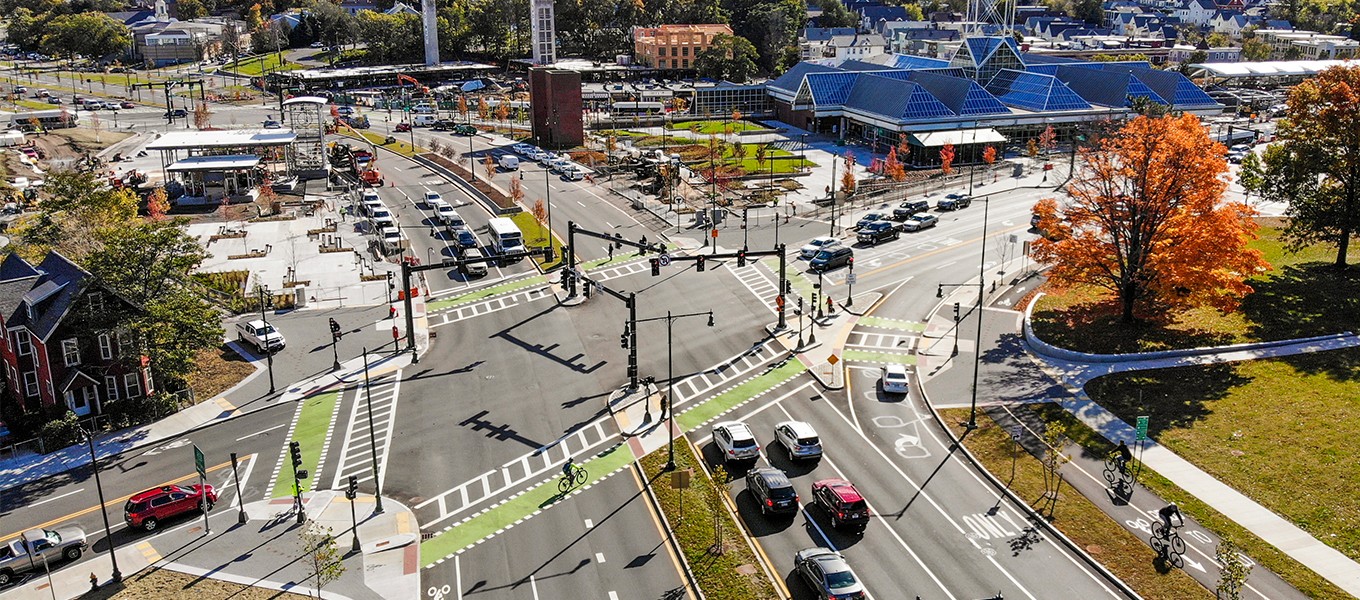
The widest of the Emerald Necklace's parkways, the Arborway runs 1.6 miles through Boston's Jamaica Plain neighborhood and carries up to six lanes of traffic, buffered bike lanes, and wide sidewalks for all to use. Lined with mature trees, bordered the Arnold Arboretum, and site of some of Jamaica Plain's most stately homes, the Arborway retains a sense of grandeur despite the impacts of modern road design. The Casey Arborway, comprising the southern portion of the parkway, is a recently reconnected link in the Emerald Necklace system. Featuring expansive bike facilities—including a bike roundabout—and direct connections to the MBTA Orange Line, the Southwest Corridor park system, and Franklin Park, the Casey Arborway is an integral node to regional transportation throughout Greater Boston.

  • The Arborway at dusk

    Credits:

    Erin O'Toole

  • Olmsted's plan for the Arborway, showing various roadway configurations, 1892

    Credits:

    Courtesy of the National Park Service, Frederick Law Olmsted National Historic Site

  • Rendering of proposed cycling and pedestrian improvements to the Arborway

    Credits:

    Courtesy of the MA Department of Conservation and Recreation

  • The Arborway from above

    Credits:

    Courtesy of the MA Department of Conservation and Recreation

  • The Arborway at dusk

    Credits:

    Erin O'Toole

  • Olmsted's plan for the Arborway, showing various roadway configurations, 1892

    Credits:

    Courtesy of the National Park Service, Frederick Law Olmsted National Historic Site

  • Rendering of proposed cycling and pedestrian improvements to the Arborway

    Credits:

    Courtesy of the MA Department of Conservation and Recreation

  • The Arborway from above

    Credits:

    Courtesy of the MA Department of Conservation and Recreation

History

The Arborway, designed in 1892, was constructed as one of four connecting parkways within the Emerald Necklace, alongside the Fenway, Riverway, and Jamaicaway. In its original configuration, the Arborway included a total of seven lanes, with three designated for walking, two for carriages, one for riding, and one for driving. However, changing preferences in transportation altered this layout to benefit automobiles. The modern Arborway contains up to six lanes of traffic, with three to four express lanes and two local lanes running continuously along its length. In 1953, the Casey Overpass was constructed and opened to carry the Arborway over Forest Hills' many roads and transit infrastructure. The momentum has since shifted towards a more accessible and multimodal Arborway. Community groups began to advocate for replacing the Casey Overpass with an at-grade alternative, and in 2010, the Massachusetts Department of Transportation declared the bridge structurally deficient. The Overpass was demolished in 2015 and replaced with extensive multimodal infrastructure, including seven miles of bike paths, a new entrance to the MBTA Orange Line Station at Forest Hills, a new bus terminal at Forest Hills, as well as more than 500 new trees. Additional improvements to the Arborway, including a top-to-bottom multimodal reconfiguration of the parkway, are currently under design.

  • The Arborway at dusk

    Credits:

    Erin O'Toole

  • Olmsted's plan for the Arborway, showing various roadway configurations, 1892

    Credits:

    Courtesy of the National Park Service, Frederick Law Olmsted National Historic Site

  • Rendering of proposed cycling and pedestrian improvements to the Arborway

    Credits:

    Courtesy of the MA Department of Conservation and Recreation

  • The Arborway from above

    Credits:

    Courtesy of the MA Department of Conservation and Recreation

History

The Arborway, designed in 1892, was constructed as one of four connecting parkways within the Emerald Necklace, alongside the Fenway, Riverway, and Jamaicaway. In its original configuration, the Arborway included a total of seven lanes, with three designated for walking, two for carriages, one for riding, and one for driving. However, changing preferences in transportation altered this layout to benefit automobiles. The modern Arborway contains up to six lanes of traffic, with three to four express lanes and two local lanes running continuously along its length. In 1953, the Casey Overpass was constructed and opened to carry the Arborway over Forest Hills' many roads and transit infrastructure. The momentum has since shifted towards a more accessible and multimodal Arborway. Community groups began to advocate for replacing the Casey Overpass with an at-grade alternative, and in 2010, the Massachusetts Department of Transportation declared the bridge structurally deficient. The Overpass was demolished in 2015 and replaced with extensive multimodal infrastructure, including seven miles of bike paths, a new entrance to the MBTA Orange Line Station at Forest Hills, a new bus terminal at Forest Hills, as well as more than 500 new trees. Additional improvements to the Arborway, including a top-to-bottom multimodal reconfiguration of the parkway, are currently under design.

Things to do

The Arborway is a space for movement. Walk, jog, run, wheel, or cycle in the shade of massive trees. Meander to Jamaica Pond, the Arnold Arboretum, or Franklin Park. Pause and consider the leaves above.

The Casey Overpass before demolition, 2015
Courtesy of the Boston Globe; Photographer Pat Greenhouse
The reconnected Casey Arborway, 2019
HNTB
Did you know?

The Arborway, as well as the other Emerald Necklace parkways, were designed for scenic and recreational carriage rides, with steeper hills, sharper turns, and narrower traffic lanes than those typically seen in modern road design. These aspect of Olmsted's design have been retained in the modern era, and explain the low speed limits on these parkways—typically 25-35 miles per hour.

Follow the

Emerald Necklace

Necklace

Follow the

Emerald

Necklace

Land & water
ACKNOWLEDGEMENT

The world didn't start with Olmsted. For millennia before and in the centuries since Frederick Law Olmsted designed the Emerald Necklace park system for a rapidly industrializing city and metropolitan area, the lands and waters of and around Greater Boston have served as a site of exchange among communities including the Massachusett, Pawtucket, Wampanoag and Nipmuc peoples. The Emerald Necklace Conservancy acknowledges the Greater Boston region as their unceded ancestral territories. This acknowledgement is a starting point toward right relations with Indigenous neighbors and their understandings of land stewardship.

The parks belong to the people. ‎ ‎ ‎ ‎‎ ‎ ‎ ‎ ‎ The parks belong to the people. ‎ ‎ ‎ ‎‎ ‎ ‎ ‎ ‎ The parks belong to the people. ‎ ‎ ‎ ‎‎ ‎ ‎ ‎ ‎ The parks belong to the people. ‎ ‎ ‎ ‎‎ ‎ ‎ ‎ ‎ The parks belong to the people. ‎ ‎ ‎ ‎‎ ‎ ‎ ‎ ‎ The parks belong to the people. ‎ ‎ ‎ ‎‎ ‎ ‎ ‎ ‎ The parks belong to the people. ‎ ‎ ‎ ‎‎ ‎ ‎ ‎ ‎ The parks belong to the people. ‎ ‎ ‎ ‎‎ ‎ ‎ ‎ ‎ The parks belong to the people. ‎ ‎ ‎ ‎‎ ‎ ‎ ‎ ‎ The parks belong to the people. ‎ ‎ ‎ ‎‎ ‎ ‎ ‎ ‎ The parks belong to the people. ‎ ‎ ‎ ‎‎ ‎ ‎ ‎ ‎ The parks belong to the people. ‎ ‎ ‎ ‎‎ ‎ ‎ ‎ ‎ The parks belong to the people. ‎ ‎ ‎ ‎‎ ‎ ‎ ‎ ‎ The parks belong to the people. ‎ ‎ ‎ ‎‎ ‎ ‎ ‎ ‎ The parks belong to the people. ‎ ‎ ‎ ‎‎ ‎ ‎ ‎ ‎ The parks belong to the people. ‎ ‎ ‎ ‎‎ ‎ ‎ ‎ ‎ The parks belong to the people. ‎ ‎ ‎ ‎‎ ‎ ‎ ‎ ‎ The parks belong to the people. ‎ ‎ ‎ ‎‎ ‎ ‎ ‎ ‎ The parks belong to the people. ‎ ‎ ‎ ‎‎ ‎ ‎ ‎ ‎ The parks belong to the people. ‎ ‎ ‎ ‎‎ ‎ ‎ ‎ ‎ The parks belong to the people. ‎ ‎ ‎ ‎‎ ‎ ‎ ‎ ‎ The parks belong to the people. ‎ ‎ ‎ ‎‎ ‎ ‎ ‎ ‎ The parks belong to the people. ‎ ‎ ‎ ‎‎ ‎ ‎ ‎ ‎ The parks belong to the people. ‎ ‎ ‎ ‎‎ ‎ ‎ ‎ ‎ The parks belong to the people. ‎ ‎ ‎ ‎‎ ‎ ‎ ‎ ‎ The parks belong to the people. ‎ ‎ ‎ ‎‎ ‎ ‎ ‎ ‎ The parks belong to the people. ‎ ‎ ‎ ‎‎ ‎ ‎ ‎ ‎ The parks belong to the people. ‎ ‎ ‎ ‎‎ ‎ ‎ ‎ ‎ The parks belong to the people. ‎ ‎ ‎ ‎‎ ‎ ‎ ‎ ‎ The parks belong to the people. ‎ ‎ ‎ ‎‎ ‎ ‎ ‎ ‎ The parks belong to the people. ‎ ‎ ‎ ‎‎ ‎ ‎ ‎ ‎ The parks belong to the people. ‎ ‎ ‎ ‎‎ ‎ ‎ ‎ ‎ The parks belong to the people. ‎ ‎ ‎ ‎‎ ‎ ‎ ‎ ‎ The parks belong to the people. ‎ ‎ ‎ ‎‎ ‎ ‎ ‎ ‎ The parks belong to the people. ‎ ‎ ‎ ‎‎ ‎ ‎ ‎ ‎ The parks belong to the people. ‎ ‎ ‎ ‎‎ ‎ ‎ ‎ ‎ The parks belong to the people. ‎ ‎ ‎ ‎‎ ‎ ‎ ‎ ‎ The parks belong to the people. ‎ ‎ ‎ ‎‎ ‎ ‎ ‎ ‎ The parks belong to the people. ‎ ‎ ‎ ‎‎ ‎ ‎ ‎ ‎ The parks belong to the people. ‎ ‎ ‎ ‎‎ ‎ ‎ ‎ ‎ The parks belong to the people. ‎ ‎ ‎ ‎‎ ‎ ‎ ‎ ‎ The parks belong to the people. ‎ ‎ ‎ ‎‎ ‎ ‎ ‎ ‎ The parks belong to the people. ‎ ‎ ‎ ‎‎ ‎ ‎ ‎ ‎ The parks belong to the people. ‎ ‎ ‎ ‎‎ ‎ ‎ ‎ ‎ The parks belong to the people. ‎ ‎ ‎ ‎‎ ‎ ‎ ‎ ‎ The parks belong to the people. ‎ ‎ ‎ ‎‎ ‎ ‎ ‎ ‎ The parks belong to the people. ‎ ‎ ‎ ‎‎ ‎ ‎ ‎ ‎ The parks belong to the people. ‎ ‎ ‎ ‎‎ ‎ ‎ ‎ ‎ The parks belong to the people. ‎ ‎ ‎ ‎‎ ‎ ‎ ‎ ‎ The parks belong to the people. ‎ ‎ ‎ ‎‎ ‎ ‎ ‎ ‎

Subscribe for Necklace news, community events, and to enliven the parks.

Shattuck Visitor Center

Year-Round

Mon-Fri 9:30am – 5pm

May-October

Sat-Sun 10am – 4pm

Mailing address

+1 (617) 522–2700

The Emerald Necklace Conservancy is a not-for-profit organization and is tax-exempt under Section 501(c)(3) of the Internal Revenue Code. Our federal Employer Identification Number (EIN) is 04-3414988.

Land & water
ACKNOWLEDGEMENT

The world didn't start with Olmsted. For millennia before and in the centuries since Frederick Law Olmsted designed the Emerald Necklace park system for a rapidly industrializing city and metropolitan area, the lands and waters of and around Greater Boston have served as a site of exchange among communities including the Massachusett, Pawtucket, Wampanoag and Nipmuc peoples. The Emerald Necklace Conservancy acknowledges the Greater Boston region as their unceded ancestral territories. This acknowledgement is a starting point toward right relations with Indigenous neighbors and their understandings of land stewardship.

The parks belong to the people. ‎ ‎ ‎ ‎‎ ‎ ‎ ‎ ‎ The parks belong to the people. ‎ ‎ ‎ ‎‎ ‎ ‎ ‎ ‎ The parks belong to the people. ‎ ‎ ‎ ‎‎ ‎ ‎ ‎ ‎ The parks belong to the people. ‎ ‎ ‎ ‎‎ ‎ ‎ ‎ ‎ The parks belong to the people. ‎ ‎ ‎ ‎‎ ‎ ‎ ‎ ‎ The parks belong to the people. ‎ ‎ ‎ ‎‎ ‎ ‎ ‎ ‎ The parks belong to the people. ‎ ‎ ‎ ‎‎ ‎ ‎ ‎ ‎ The parks belong to the people. ‎ ‎ ‎ ‎‎ ‎ ‎ ‎ ‎ The parks belong to the people. ‎ ‎ ‎ ‎‎ ‎ ‎ ‎ ‎ The parks belong to the people. ‎ ‎ ‎ ‎‎ ‎ ‎ ‎ ‎ The parks belong to the people. ‎ ‎ ‎ ‎‎ ‎ ‎ ‎ ‎ The parks belong to the people. ‎ ‎ ‎ ‎‎ ‎ ‎ ‎ ‎ The parks belong to the people. ‎ ‎ ‎ ‎‎ ‎ ‎ ‎ ‎ The parks belong to the people. ‎ ‎ ‎ ‎‎ ‎ ‎ ‎ ‎ The parks belong to the people. ‎ ‎ ‎ ‎‎ ‎ ‎ ‎ ‎ The parks belong to the people. ‎ ‎ ‎ ‎‎ ‎ ‎ ‎ ‎ The parks belong to the people. ‎ ‎ ‎ ‎‎ ‎ ‎ ‎ ‎ The parks belong to the people. ‎ ‎ ‎ ‎‎ ‎ ‎ ‎ ‎ The parks belong to the people. ‎ ‎ ‎ ‎‎ ‎ ‎ ‎ ‎ The parks belong to the people. ‎ ‎ ‎ ‎‎ ‎ ‎ ‎ ‎ The parks belong to the people. ‎ ‎ ‎ ‎‎ ‎ ‎ ‎ ‎ The parks belong to the people. ‎ ‎ ‎ ‎‎ ‎ ‎ ‎ ‎ The parks belong to the people. ‎ ‎ ‎ ‎‎ ‎ ‎ ‎ ‎ The parks belong to the people. ‎ ‎ ‎ ‎‎ ‎ ‎ ‎ ‎ The parks belong to the people. ‎ ‎ ‎ ‎‎ ‎ ‎ ‎ ‎ The parks belong to the people. ‎ ‎ ‎ ‎‎ ‎ ‎ ‎ ‎ The parks belong to the people. ‎ ‎ ‎ ‎‎ ‎ ‎ ‎ ‎ The parks belong to the people. ‎ ‎ ‎ ‎‎ ‎ ‎ ‎ ‎ The parks belong to the people. ‎ ‎ ‎ ‎‎ ‎ ‎ ‎ ‎ The parks belong to the people. ‎ ‎ ‎ ‎‎ ‎ ‎ ‎ ‎ The parks belong to the people. ‎ ‎ ‎ ‎‎ ‎ ‎ ‎ ‎ The parks belong to the people. ‎ ‎ ‎ ‎‎ ‎ ‎ ‎ ‎ The parks belong to the people. ‎ ‎ ‎ ‎‎ ‎ ‎ ‎ ‎ The parks belong to the people. ‎ ‎ ‎ ‎‎ ‎ ‎ ‎ ‎ The parks belong to the people. ‎ ‎ ‎ ‎‎ ‎ ‎ ‎ ‎ The parks belong to the people. ‎ ‎ ‎ ‎‎ ‎ ‎ ‎ ‎ The parks belong to the people. ‎ ‎ ‎ ‎‎ ‎ ‎ ‎ ‎ The parks belong to the people. ‎ ‎ ‎ ‎‎ ‎ ‎ ‎ ‎ The parks belong to the people. ‎ ‎ ‎ ‎‎ ‎ ‎ ‎ ‎ The parks belong to the people. ‎ ‎ ‎ ‎‎ ‎ ‎ ‎ ‎ The parks belong to the people. ‎ ‎ ‎ ‎‎ ‎ ‎ ‎ ‎ The parks belong to the people. ‎ ‎ ‎ ‎‎ ‎ ‎ ‎ ‎ The parks belong to the people. ‎ ‎ ‎ ‎‎ ‎ ‎ ‎ ‎ The parks belong to the people. ‎ ‎ ‎ ‎‎ ‎ ‎ ‎ ‎ The parks belong to the people. ‎ ‎ ‎ ‎‎ ‎ ‎ ‎ ‎ The parks belong to the people. ‎ ‎ ‎ ‎‎ ‎ ‎ ‎ ‎ The parks belong to the people. ‎ ‎ ‎ ‎‎ ‎ ‎ ‎ ‎ The parks belong to the people. ‎ ‎ ‎ ‎‎ ‎ ‎ ‎ ‎ The parks belong to the people. ‎ ‎ ‎ ‎‎ ‎ ‎ ‎ ‎ The parks belong to the people. ‎ ‎ ‎ ‎‎ ‎ ‎ ‎ ‎

Subscribe for Necklace news, community events, and to enliven the parks.

Shattuck Visitor Center

Year-Round

Mon-Fri 9:30am – 5pm

May-October

Sat-Sun 10am – 4pm

Mailing address

+1 (617) 522–2700

The Emerald Necklace Conservancy is a not-for-profit organization and is tax-exempt under Section 501(c)(3) of the Internal Revenue Code. Our federal Employer Identification Number (EIN) is 04-3414988.

Land & water
ACKNOWLEDGEMENT

The world didn't start with Olmsted. For millennia before and in the centuries since Frederick Law Olmsted designed the Emerald Necklace park system for a rapidly industrializing city and metropolitan area, the lands and waters of and around Greater Boston have served as a site of exchange among communities including the Massachusett, Pawtucket, Wampanoag and Nipmuc peoples. The Emerald Necklace Conservancy acknowledges the Greater Boston region as their unceded ancestral territories. This acknowledgement is a starting point toward right relations with Indigenous neighbors and their understandings of land stewardship.

The parks belong to the people. ‎ ‎ ‎ ‎‎ ‎ ‎ ‎ ‎ The parks belong to the people. ‎ ‎ ‎ ‎‎ ‎ ‎ ‎ ‎ The parks belong to the people. ‎ ‎ ‎ ‎‎ ‎ ‎ ‎ ‎ The parks belong to the people. ‎ ‎ ‎ ‎‎ ‎ ‎ ‎ ‎ The parks belong to the people. ‎ ‎ ‎ ‎‎ ‎ ‎ ‎ ‎ The parks belong to the people. ‎ ‎ ‎ ‎‎ ‎ ‎ ‎ ‎ The parks belong to the people. ‎ ‎ ‎ ‎‎ ‎ ‎ ‎ ‎ The parks belong to the people. ‎ ‎ ‎ ‎‎ ‎ ‎ ‎ ‎ The parks belong to the people. ‎ ‎ ‎ ‎‎ ‎ ‎ ‎ ‎ The parks belong to the people. ‎ ‎ ‎ ‎‎ ‎ ‎ ‎ ‎ The parks belong to the people. ‎ ‎ ‎ ‎‎ ‎ ‎ ‎ ‎ The parks belong to the people. ‎ ‎ ‎ ‎‎ ‎ ‎ ‎ ‎ The parks belong to the people. ‎ ‎ ‎ ‎‎ ‎ ‎ ‎ ‎ The parks belong to the people. ‎ ‎ ‎ ‎‎ ‎ ‎ ‎ ‎ The parks belong to the people. ‎ ‎ ‎ ‎‎ ‎ ‎ ‎ ‎ The parks belong to the people. ‎ ‎ ‎ ‎‎ ‎ ‎ ‎ ‎ The parks belong to the people. ‎ ‎ ‎ ‎‎ ‎ ‎ ‎ ‎ The parks belong to the people. ‎ ‎ ‎ ‎‎ ‎ ‎ ‎ ‎ The parks belong to the people. ‎ ‎ ‎ ‎‎ ‎ ‎ ‎ ‎ The parks belong to the people. ‎ ‎ ‎ ‎‎ ‎ ‎ ‎ ‎ The parks belong to the people. ‎ ‎ ‎ ‎‎ ‎ ‎ ‎ ‎ The parks belong to the people. ‎ ‎ ‎ ‎‎ ‎ ‎ ‎ ‎ The parks belong to the people. ‎ ‎ ‎ ‎‎ ‎ ‎ ‎ ‎ The parks belong to the people. ‎ ‎ ‎ ‎‎ ‎ ‎ ‎ ‎ The parks belong to the people. ‎ ‎ ‎ ‎‎ ‎ ‎ ‎ ‎ The parks belong to the people. ‎ ‎ ‎ ‎‎ ‎ ‎ ‎ ‎ The parks belong to the people. ‎ ‎ ‎ ‎‎ ‎ ‎ ‎ ‎ The parks belong to the people. ‎ ‎ ‎ ‎‎ ‎ ‎ ‎ ‎ The parks belong to the people. ‎ ‎ ‎ ‎‎ ‎ ‎ ‎ ‎ The parks belong to the people. ‎ ‎ ‎ ‎‎ ‎ ‎ ‎ ‎ The parks belong to the people. ‎ ‎ ‎ ‎‎ ‎ ‎ ‎ ‎ The parks belong to the people. ‎ ‎ ‎ ‎‎ ‎ ‎ ‎ ‎ The parks belong to the people. ‎ ‎ ‎ ‎‎ ‎ ‎ ‎ ‎ The parks belong to the people. ‎ ‎ ‎ ‎‎ ‎ ‎ ‎ ‎ The parks belong to the people. ‎ ‎ ‎ ‎‎ ‎ ‎ ‎ ‎ The parks belong to the people. ‎ ‎ ‎ ‎‎ ‎ ‎ ‎ ‎ The parks belong to the people. ‎ ‎ ‎ ‎‎ ‎ ‎ ‎ ‎ The parks belong to the people. ‎ ‎ ‎ ‎‎ ‎ ‎ ‎ ‎ The parks belong to the people. ‎ ‎ ‎ ‎‎ ‎ ‎ ‎ ‎ The parks belong to the people. ‎ ‎ ‎ ‎‎ ‎ ‎ ‎ ‎ The parks belong to the people. ‎ ‎ ‎ ‎‎ ‎ ‎ ‎ ‎ The parks belong to the people. ‎ ‎ ‎ ‎‎ ‎ ‎ ‎ ‎ The parks belong to the people. ‎ ‎ ‎ ‎‎ ‎ ‎ ‎ ‎ The parks belong to the people. ‎ ‎ ‎ ‎‎ ‎ ‎ ‎ ‎ The parks belong to the people. ‎ ‎ ‎ ‎‎ ‎ ‎ ‎ ‎ The parks belong to the people. ‎ ‎ ‎ ‎‎ ‎ ‎ ‎ ‎ The parks belong to the people. ‎ ‎ ‎ ‎‎ ‎ ‎ ‎ ‎ The parks belong to the people. ‎ ‎ ‎ ‎‎ ‎ ‎ ‎ ‎ The parks belong to the people. ‎ ‎ ‎ ‎‎ ‎ ‎ ‎ ‎ The parks belong to the people. ‎ ‎ ‎ ‎‎ ‎ ‎ ‎ ‎

Subscribe for Necklace news, community events, and to enliven the parks.

Shattuck Visitor Center

Year-Round

Mon-Fri 9:30am – 5pm

May-October

Sat-Sun 10am – 4pm

Mailing address

+1 (617) 522–2700

The Emerald Necklace Conservancy is a not-for-profit organization and is tax-exempt under Section 501(c)(3) of the Internal Revenue Code. Our federal Employer Identification Number (EIN) is 04-3414988.